Fotona Laser Treatments in Encino, CA for Busy Lifestyles
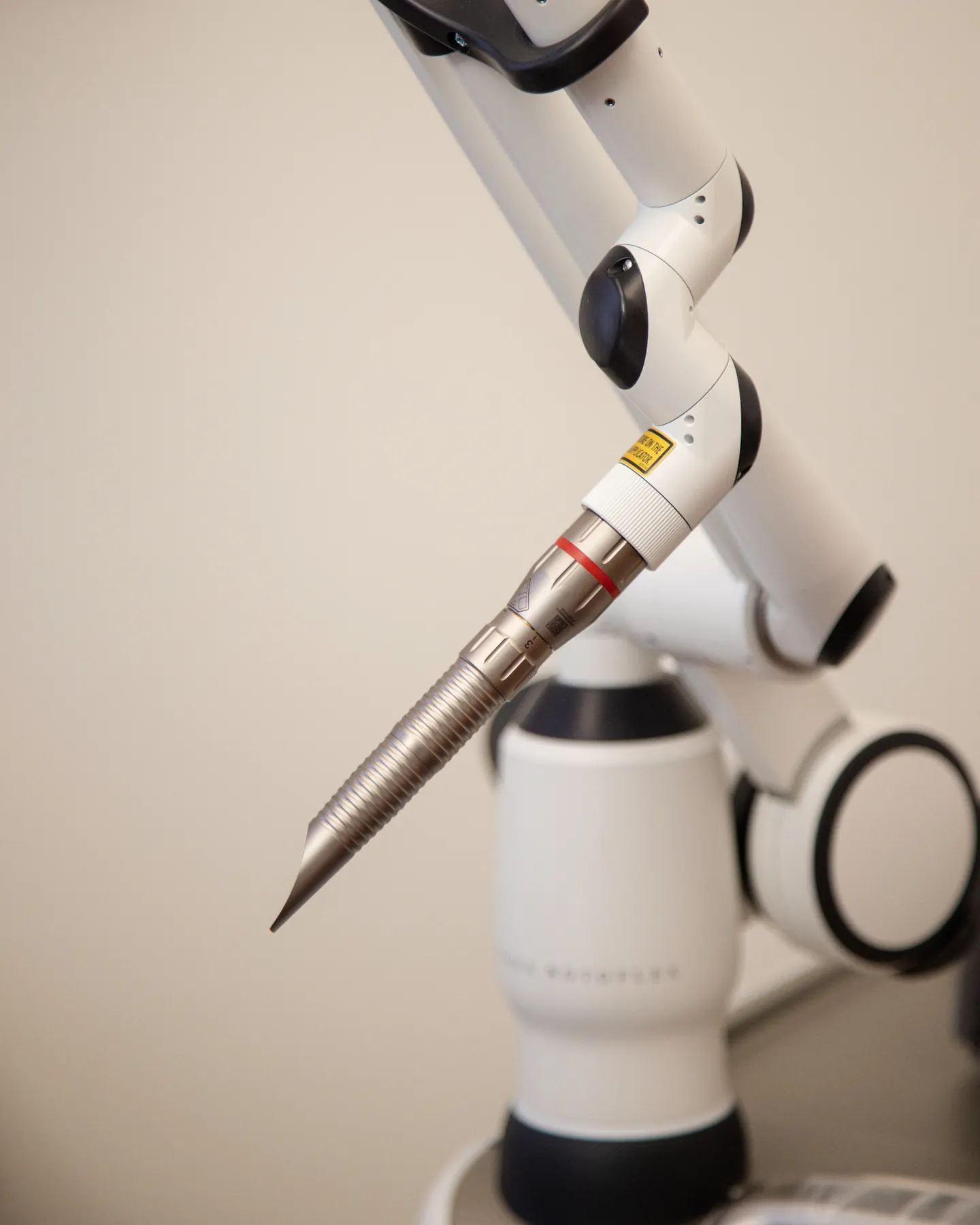
Time has a way of showing up on the face before most people feel ready for it. It appears as a little laxity along the jawline, a crease that lingers after a smile, uneven tone from years of Southern California sun, or a texture change that makeup no longer smooths over. For people in Encino with demanding schedules, those concerns are rarely dramatic enough to justify weeks of recovery, but they are noticeable enough to want a real solution.
That is where Fotona laser technology has earned so much interest. It sits in a practical middle ground between basic spa treatments and more aggressive procedures that require significant downtime. Fotona Laser Treatments Encino, CA For busy professionals, parents, entrepreneurs, and anyone whose calendar is already packed, that middle ground matters. The goal is not to disappear for two weeks. The goal is to improve skin quality, firmness, and overall freshness in a way that fits real life.
When people search for Fotona Laser Treatments Encino, CA, they are usually looking for exactly that balance. They want visible improvement, but they also need to keep going to work, attend school drop-offs, sit in meetings, meet clients, or show up for weekend plans without broadcasting that they had something done.
Why Fotona appeals to people with full schedules
Not every aesthetic treatment respects a busy calendar. Some deliver excellent results but come with swelling, peeling, bruising, or strict social downtime. That can work well for someone planning around a specific event or taking dedicated recovery time, but it is often unrealistic for people managing a household or a fast-paced career.
Fotona treatments are popular because many protocols can be adjusted for different levels of intensity and downtime. In practice, that flexibility is what makes the platform so useful. A provider can often tailor settings to address concerns like early laxity, textural irregularity, acne scarring, or pigmentation while still keeping recovery within a manageable range.
That does not mean every Fotona treatment is a lunch-break procedure. Some sessions are very easy to slip into a weekday, while others create a few days of redness or a more obvious healing period. The value is in having options. A well-chosen treatment plan can match the patient’s skin needs and their schedule instead of forcing one rigid pathway.
In Encino, where many patients move between professional obligations and social visibility, that matters more than marketing language ever could. People want skin that looks healthier and firmer, but they also want a realistic answer when they ask, “How am I going to look tomorrow?”
What Fotona actually is, in practical terms
Fotona is a laser platform known for using different wavelengths and treatment modes to target several concerns. Rather than being a single one-size-fits-all facial, it is better understood as a family of treatment approaches. That distinction is important, because two people can both say they had a Fotona treatment and have entirely different experiences.
Some Fotona protocols focus on gentle collagen stimulation. Others target deeper tissue tightening. Some are used to improve texture or acne scarring. Certain protocols work inside the mouth to support tightening around the lower face and nasolabial area without breaking the skin on the surface. That combination has made Fotona especially interesting to patients who want measurable change without stepping directly into surgery.
From a clinician’s perspective, the appeal is control. The treatment can often be customized in layers, with energy delivered to different tissue depths and skin surfaces depending on the goal. From a patient’s perspective, the appeal is simpler. It can make skin look fresher, tighter, and more refined without the disruption associated with more invasive procedures.
The concerns Fotona often addresses best
Busy patients tend to be discerning patients. They usually do not want a treatment that promises everything. They want to know what it is actually good at. Fotona tends to be most compelling for people dealing with mild to moderate aging changes, early skin laxity, rough texture, enlarged pores, acne scarring, and certain signs of sun damage.
One common scenario is the person in their late thirties to fifties who says their face looks tired even when they are well rested. They are not asking for dramatic alteration. They are reacting to subtle softening of collagen support, a little creasing around the eyes or mouth, and a general loss of crispness. Fotona can be a strong fit here because it often aims to rebuild support gradually. The result, when done well, is not an obviously “treated” look. It is a healthier version of the same face.
Another common group includes patients who have been faithful about skincare but have reached the point where serums and peels are no longer enough. Topicals improve maintenance, but they cannot tighten tissue. They cannot remodel acne scars meaningfully on their own. They cannot create the same degree of heat-driven collagen response that a laser can. That is often the moment someone starts exploring energy-based devices.
A better way to think about downtime
Patients often ask for “no downtime,” but what they usually mean is “no downtime I cannot hide.” Those are not the same thing.
Many Fotona treatments involve some immediate redness and warmth, much like a strong workout or a day in the sun. That can settle quickly, sometimes within hours. More intensive resurfacing settings can leave the skin pink for longer and may create dryness, flaking, or a sandpapery texture for several days. The difference depends on what is being treated and how aggressively.
This is where experience and planning make a real difference. If someone has an important presentation on Thursday, it may be smarter to choose a collagen-stimulating session with milder visible recovery rather than a more aggressive resurfacing pass that could leave them looking noticeably treated. If another patient works remotely and has a quieter week, that may be the perfect window to do more.
A good provider does not treat downtime as an afterthought. They ask about your life. They want to know whether you are on camera often, whether you can avoid sun exposure, whether you have events coming up, and whether you are someone who will follow aftercare carefully. The best results usually come from pairing the right treatment intensity with the patient’s actual routine.
Why Encino patients often prefer gradual, believable improvement
The aesthetic preferences in communities like Encino are often less about transformation and more about restoration. People usually want to look polished, rested, and current, not altered. That subtlety has become more important over the last several years, especially for people who spend a lot of time in professional settings or who are frequently photographed.
Fotona suits that preference because it tends to work through progressive tissue response rather than instant, dramatic change. Collagen remodeling is a process. Improvements often unfold over weeks and sometimes months, especially when treatments are done as a series. For the right patient, that is a benefit, not a drawback. Friends may notice that the skin looks better, but they often cannot identify why.
That kind of gradual improvement is often easier to live with socially. It also gives room to reassess along the way. If a patient sees meaningful improvement after a few sessions, they may decide maintenance is enough. If they want more correction, they can build on the response with additional sessions or combine the laser with other treatments.
The consultation matters more than most people expect
Laser treatments are not interchangeable, and neither are patients. Two people with the same complaint can need very different plans. One person’s “loose skin” is really volume loss. Another person’s “bad texture” is mostly dehydration and barrier damage. A third patient may have redness and pigment that require extra caution.
That is why the consultation is not a formality. It is where a thoughtful provider separates what Fotona can improve from what it cannot. If a patient has more advanced sagging, for example, a laser may help but will not replicate the effect of surgery. If someone has active melasma, aggressive heat-based treatment may need careful consideration. If a patient is deeply tanned or not prepared to protect their skin from sun exposure, timing matters.
A strong consultation should feel specific. The provider should examine the skin, ask about your schedule, medical history, previous treatments, and goals, and explain what kind of recovery is realistic. If the recommendation sounds vague or universal, that is usually a sign to ask more questions.
What a treatment day often feels like
One reason busy people tolerate Fotona well is that the treatment experience itself is usually straightforward. Depending on the protocol, the skin may be cleansed, photographed, and prepped with or without topical numbing. Some sessions feel warm and prickly. Others feel more intense, especially when resurfacing is involved. Most patients describe the sensation as tolerable, though comfort can vary with settings and treatment area.
Afterward, the skin may feel hot for a short period, then settle into redness and mild swelling. People are often surprised that the immediate post-treatment appearance is not always dramatic, particularly with non-ablative or gentler tightening sessions. More intensive treatments can look rougher over the next day or two as the skin begins its healing cycle.
The practical details matter. Can you work the next day? In many cases, yes. Can you go to a dinner the same evening? Sometimes, but it depends on the intensity and your comfort level with some redness. Can you exercise right away? Usually that requires caution, since heat and sweat can aggravate irritation in the early recovery window. These are the kinds of specifics that shape whether a treatment truly works for a busy lifestyle.
The difference between one session and a real plan
There is a persistent temptation in aesthetics to think in single appointments. One laser treatment. One peel. One quick fix. Fotona, like most energy-based skin treatments, tends to work best when approached as a treatment plan rather than a one-off event.
For mild concerns, a single session may create a refreshed look or a subtle tightening effect. For textural issues, acne scarring, collagen rebuilding, or more visible laxity, a series is often what produces meaningful change. The spacing depends on the treatment type and skin goals, but it is common for providers to recommend several sessions over a period of weeks.
That can actually fit a busy life better than one dramatic intervention. Instead of taking a large block of recovery time, many patients prefer to chip away at the problem steadily. They schedule treatments around quieter workweeks, family support, or lighter social calendars. It becomes part of maintenance, the same way people make time for dental care, workouts, or hair appointments.
Where Fotona fits among other common aesthetic options
Patients in Encino usually do not compare Fotona in a vacuum. They are often weighing it against injectables, microneedling, radiofrequency treatments, stronger resurfacing lasers, or surgery. Each has a place.
Injectables can restore volume or soften expression lines, but they do not improve skin texture the way a laser can. Microneedling is useful for collagen stimulation and can help texture and scarring, but the degree of tightening or resurfacing may differ depending on the technology used. More aggressive laser resurfacing can produce striking results, but recovery is often more intense. Surgery addresses structural laxity in a way no laser can match, but it comes with a very different level of commitment.
Fotona often makes the most sense for the patient who wants more than a facial and more than skincare, but who is not ready for surgery or significant downtime. It also works well for the patient who already uses injectables and wants the skin itself to look better, not just smoother or fuller.
The aftercare that protects your result
Laser success does not end when the appointment does. Busy patients sometimes undermine good treatment by returning too quickly to the habits that contributed to the issue in the first place, especially sun exposure and inconsistent skincare.
Aftercare usually centers on gentle cleansing, hydration, barrier support, and strict sun protection. That last point is non-negotiable in Southern California. Even the best laser work can be compromised by repeated UV exposure. Patients who spend a lot of time driving, walking outdoors, or sitting near large windows need to take that seriously.
There is also a temperament component. Some people are disciplined and patient during recovery. Others pick at flaking skin, use active products too soon, or decide that because the redness faded quickly, they can go back to intense exercise and full sun immediately. The patients who do best tend to respect the healing process, even when the downtime feels mild.
Who tends to be happiest with Fotona
The happiest patients are usually not chasing perfection. They want their skin to look stronger, smoother, tighter, and more rested. They are willing to do a series if needed. They understand that collagen remodeling takes time. They are realistic about what a laser can and cannot do.
They also tend to like maintenance. A person who views skin health as an ongoing investment often gets more out of Fotona than someone who wants a single dramatic rescue after years of neglect. That does not mean you need a ten-step routine or endless appointments. It means you understand that quality skin comes from a combination of treatment, protection, and follow-through.
There is also a psychological fit. Some patients love procedures with instant, obvious payoff. Others prefer change that builds gradually and quietly. Fotona is often better for the second group.
Questions worth asking before you book
The strongest treatment decisions usually come from asking direct, practical questions. During a consultation for Fotona Laser Treatments Encino, CA, it is useful to ask what exact protocol is being recommended, what visible recovery you should expect on day one, day three, and day seven, how many sessions are likely needed, and what kind of result is realistic for your specific concerns.
You should also ask what the provider would choose if your primary goal changed. If you cared more about pigment than tightening, would the recommendation be the same? If you wanted the most dramatic texture improvement and could tolerate more downtime, would they switch approaches? Questions like these reveal whether the plan is customized or generic.
A good answer is usually nuanced. Experienced providers rarely promise universal results, because skin does not behave universally.
The real value for busy lifestyles
What makes Fotona compelling is not only the technology. It is the way the technology can be adapted to modern life. For the attorney who cannot vanish from the office, the parent juggling school pickup and weekend sports, the real estate professional who is constantly face-to-face with clients, or the business owner whose appearance is part of their public presence, flexibility matters almost as much as efficacy.
People often assume that meaningful rejuvenation requires a hard stop from normal life. Sometimes it does. But not always. In many cases, the smarter choice is a treatment strategy that creates visible improvement through cumulative progress, sensible scheduling, and realistic downtime.
That is why Fotona has developed such a strong reputation among patients who need their treatments to work around real obligations. It offers a way to address skin quality and early aging changes without forcing an all-or-nothing decision. When the treatment plan is well designed, the process can feel less like an interruption and more like a disciplined, practical upgrade to your routine.
For many people in Encino, that is exactly the right fit. They do not need theatrics. They need results they can live with, recovery they can manage, and a plan grounded in how they actually spend their days. Fotona often meets that need with uncommon precision.
OMNIA Wellness Center
Address: 16430 Ventura Blvd Ste 207, Encino, CA 91436
Phone number: +18183868511
FAQ About Fotona Laser Treatments Encino, CA
What is a Fotona laser good for?
A Fotona Laser system is a versatile, dual-wavelength medical laser used primarily for non-surgical skin tightening, anti-aging rejuvenation, and dermatological treatments.
How much does the Fotona laser cost?
The cost of a Fotona laser depends heavily on whether you are looking to purchase a laser machine for a medical practice or are a patient seeking a laser treatment at a medspa.
Is a Fotona laser worth it?
A Fotona laser treatment is generally worth it if you want non-surgical skin tightening, improved texture, and collagen stimulation with very little downtime.