Fotona Laser Treatments in Encino, CA: Boosting Confidence Through Technology
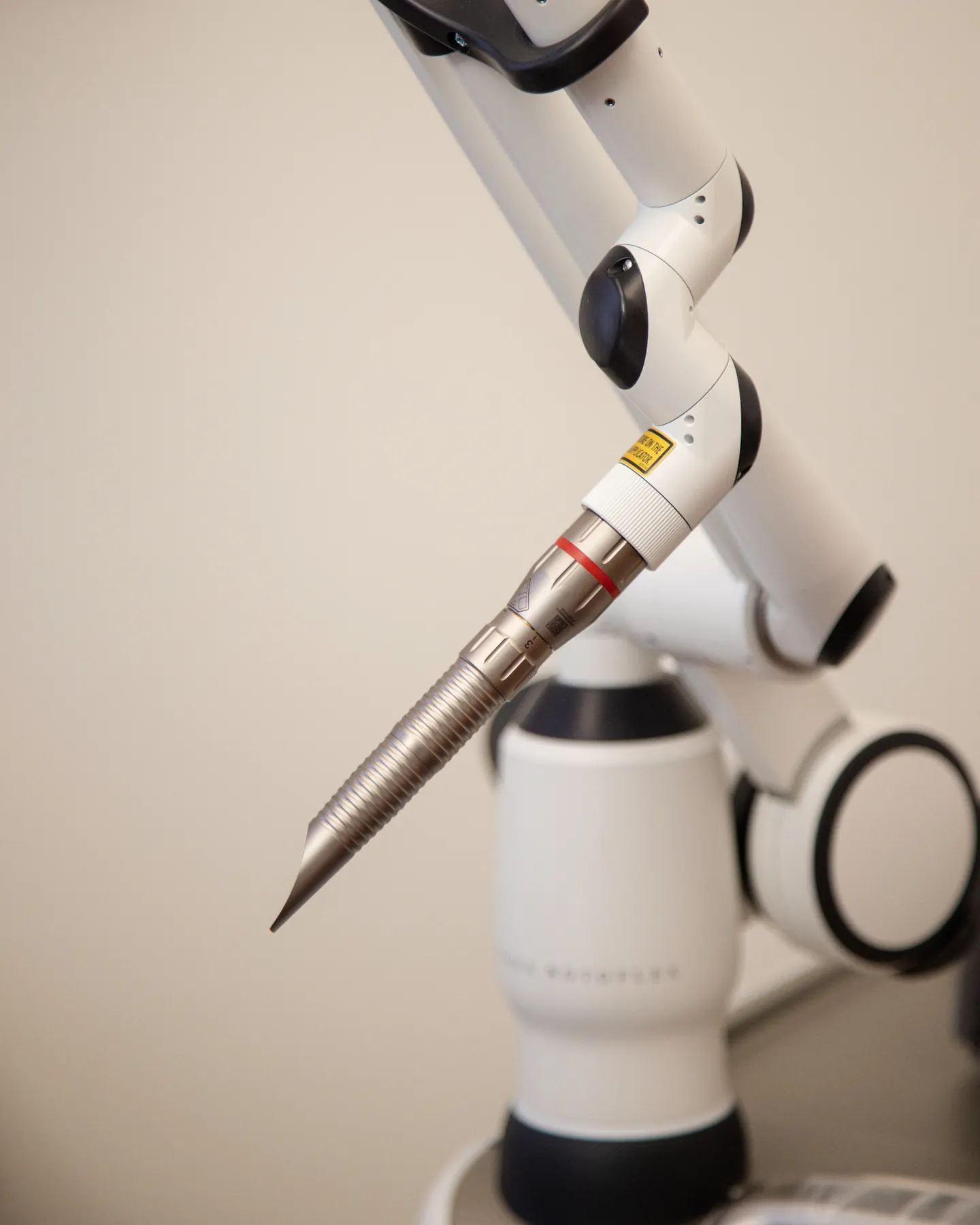
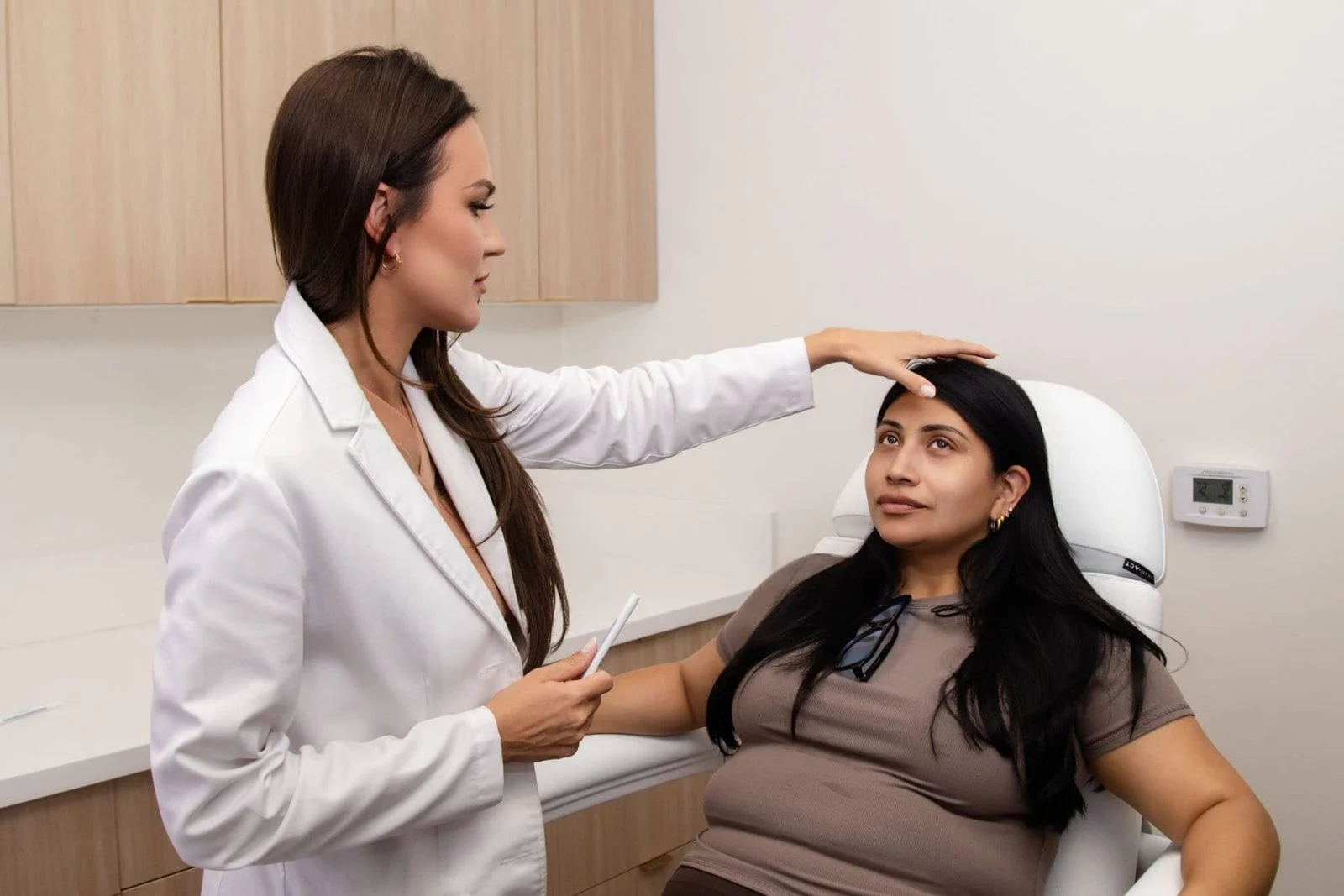
Confidence rarely comes from one thing alone. It builds quietly, often from small changes that help someone feel more comfortable in their own skin. For some people, that means softening acne scars that have lingered since high school. For others, it means addressing early skin laxity before it starts to affect how they see themselves in the mirror. In a place like Encino, where people balance professional life, social visibility, and an active lifestyle, non-surgical treatments have become less about chasing perfection and more about feeling refreshed, polished, and at ease.
That is where Fotona laser technology has earned real attention. Patients often come in asking for something specific, maybe skin tightening, resurfacing, or help with texture, but what they are usually looking for is a treatment that can produce meaningful change without the downtime and risks of more invasive procedures. Fotona has become part of that conversation because it is versatile, precise, and capable of treating different concerns across different skin and tissue layers.
When people search for Fotona Laser Treatments Encino, CA, they are not usually searching for technology in the abstract. They want to know whether it works, what it feels like, who it is best for, and whether the results are worth the time and cost. Those are the questions that matter, and they deserve practical answers.
Why Fotona stands out in aesthetic medicine
Not all lasers are interchangeable. That point gets lost in marketing, but it becomes obvious in practice. Different laser systems are designed around different wavelengths, different tissue targets, and different treatment goals. Fotona stands out because it combines multiple laser modes in ways that allow providers to customize treatment for concerns that do not sit neatly in one category.
A patient may have mild laxity, uneven tone, rough texture, and a few stubborn lines around the mouth. In many settings, that would mean discussing separate treatments or accepting a compromise. Fotona systems are often used to approach those overlapping issues more flexibly. Depending on the platform and the setting, the treatment can target deeper tissue for collagen stimulation, more superficial layers for resurfacing, or both in a controlled sequence.
That matters because skin aging is layered. Sun damage shows up differently than volume loss. Fine lines behave differently than acne scarring. Redness, enlarged pores, and textural roughness each respond in their own way. A device that allows the provider to fine-tune depth and intensity gives better room for judgment, and good outcomes usually come from judgment more than gadgetry.
In clinical settings, one of the most appreciated features of Fotona technology is its ability to support treatment plans that are gradual and realistic. Many patients do not want a dramatic overnight transformation. They want friends to say they look rested, not altered. They want their skin to feel tighter, smoother, cleaner, brighter. That subtle but noticeable improvement is often the sweet spot.
What Fotona laser treatments can address
The word "laser" can make people think of one single treatment, but Fotona is more accurately understood as a platform used for several different applications. What it can do depends on the exact treatment protocol, the provider’s training, and the patient’s skin condition.
Skin tightening is one of the most common reasons people inquire. Early jowling, looseness around the jawline, crepey texture beneath the eyes, and mild sagging in the lower face often respond well to treatments designed to stimulate collagen remodeling. These are the changes that can make someone look tired even when they feel fine.
Texture and tone are another major category. Sun exposure, old acne, and normal aging can leave the skin looking uneven or dull. In these cases, laser resurfacing may help refine the surface and improve overall smoothness. Patients often notice that makeup sits better afterward, or that they need less of it.
Scarring can also be part of the conversation. Acne scars vary widely, and that variability matters. Shallow rolling scars respond differently than deep boxcar scars or narrow ice-pick scars. A skilled provider will usually explain that one laser session is rarely a cure-all for significant scarring. Improvement is often gradual, built across a series of treatments, sometimes combined with other methods such as microneedling, subcision, or injectables if appropriate.
There are also intraoral applications, which are especially interesting because they allow tissue tightening from inside the mouth without surface injury in the same area. This approach is often discussed with patients who want facial tightening but are wary of aggressive resurfacing or longer downtime. Used thoughtfully, it can complement external treatment rather than replace it.
The Encino patient profile and why it matters
Encino is not a one-size-fits-all market, and treatment expectations tend to reflect that. Many patients in this area are working professionals, parents, public-facing business owners, or people who simply do not want visible downtime interrupting their routine. That affects treatment planning.
A person with flexibility in their schedule may choose a more intensive resurfacing approach if the expected benefit justifies several days of redness and recovery. Someone else may prefer a sequence of gentler sessions with minimal social downtime, even if results accumulate more gradually. Neither choice is inherently better. The right plan depends on priorities.
There is also a strong preventive mindset among patients here. They are often not waiting until skin laxity becomes severe. They come in at the stage where they have started to notice subtle change. That tends to be a good window for non-surgical intervention, because the tissue still has decent baseline quality and collagen response is generally more favorable.
This is one reason Fotona Laser Treatments Encino, CA continue to draw interest. The technology lends itself to customization, which fits a patient population that values results but also wants control over pacing, recovery, and visibility.
What a consultation should really cover
A strong consultation is rarely glamorous. It should be specific, honest, and occasionally a little sobering. Good providers do not promise that every concern can be erased. They assess whether the issue is truly a laser issue, whether the patient is a fit, and whether the expected result matches the patient’s goal.
Skin type matters. Tanning history matters. History of melasma matters. Tendency toward post-inflammatory hyperpigmentation matters. So does the timing of social events, travel, and sun exposure. Patients sometimes underestimate how much these details influence safety and outcome.
A consultation worth your time should clarify several points:
- What exact concern is being treated, and what degree of improvement is realistic.
- Which Fotona protocol is being recommended, and why that option fits better than alternatives.
- How many sessions may be needed, with a rough range rather than a hard guarantee.
- What recovery is likely to look like in the first few days and first few weeks.
- Whether combination treatment would improve the result or simply add cost.
The last point matters more than people expect. Combination plans can be excellent, but they should be based on logic, not upselling. If someone has pigmentation, textural change, and volume loss, a laser can help with some of it, but not all. A responsible provider will explain where the laser excels and where another modality might be more appropriate.
What treatment day often feels like
Patients often ask the simplest question last: what does it actually feel like?
That depends on the intensity and treatment area. Some Fotona treatments feel warm and prickly, with a series of quick pulses. Others are more intense and may require topical numbing beforehand. Intraoral tightening tends to feel unusual more than painful. The sensation is often described as heat building in the tissue, but tolerable.
For lighter sessions, people may leave looking mildly flushed, similar to a brisk workout or a day in the sun without a burn. For more aggressive resurfacing, redness and swelling are more noticeable, and the skin can feel tight, warm, and rough during the healing process. In the days that follow, some patients experience a sandpapery texture as old surface cells shed and new skin emerges.
The practical side is important. Treatment is not just about the 30 to 60 minutes in the chair. It includes sun avoidance, gentle skincare, and resisting the urge to overdo actives too soon. I have seen very good treatments undermined by overly enthusiastic aftercare, especially when patients restart retinoids or exfoliants before the skin barrier is ready.
Results, timing, and the patience factor
Laser treatment has a strange relationship with expectation because some benefits appear quickly while others take time. Surface brightness can improve within days to weeks, especially after treatments that target texture and superficial irregularities. Tightening often unfolds more slowly because collagen remodeling is a biological process, not an instant cosmetic trick.
Many patients notice an early tightening effect from tissue contraction, then a more gradual improvement over the following two to three months. That is normal. It is also why high-quality pre-treatment photography matters. People forget their baseline quickly. Once they begin to look better, the new normal takes over and the memory of the starting point fades.
It is also worth saying plainly that age, skin quality, and lifestyle influence longevity. A patient in their late thirties with mild laxity, strong collagen reserves, and disciplined sun protection may hold results differently than someone in their sixties with significant photodamage and years of cumulative collagen loss. Both can improve, but not on identical timelines or to identical degrees.
The phrase "results may vary" is overused, but in aesthetic medicine it is genuinely true. That is not a dodge. It is biology.
Downtime is not just about redness
When people ask about downtime, they usually mean visible healing. That matters, of course, but there is a broader definition worth considering. Downtime can also mean needing to skip the gym for a day or two, avoiding heat exposure, postponing a facial, changing your skincare routine, or being more diligent about sunscreen than you have ever been before.
This is where honest planning helps. A patient might be technically able to return to work the next day, but if they have an on-camera presentation or a major social event, even mild swelling may feel inconvenient. On the other hand, someone who works remotely may barely care.
For many Encino patients, low to moderate downtime is one of the main reasons laser tightening and resurfacing remain Fotona Laser Treatments Encino, CA so attractive. They want a treatment that respects the realities of real life. The best plans are built around that, rather than pretending recovery is the same for everyone.
Who tends to do well with Fotona treatments
Strong candidates are not necessarily those with the most dramatic concerns. In fact, some of the happiest laser patients are the ones who arrive with moderate, well-defined goals. They understand that lasers improve, they do not remake. They are willing to follow instructions. They are patient enough to let collagen build.
People often do well when they fit most of the following profile:
- They have mild to moderate skin laxity, uneven texture, or early visible aging rather than severe sagging.
- They want noticeable improvement without surgery.
- They can commit to sun protection and sensible aftercare.
- They understand that a series may be needed.
- They have discussed pigmentation history, medications, and skin sensitivity openly with their provider.
Patients who are looking for a facelift-level result from a non-surgical treatment are more likely to be disappointed, no matter how advanced the device is. Good medicine starts with matching the method to the problem.
The value of provider skill
Technology gets the headlines, but treatment judgment shapes the outcome. This is especially true with laser platforms that offer multiple settings and protocols. Energy level, pulse duration, pass pattern, treatment depth, and session spacing all matter. A device in inexperienced hands does not become safer or better simply because it is expensive.
Experienced providers know when to hold back. They know when someone’s skin barrier looks compromised, when a tan makes treatment unwise, when melasma risk changes the plan, or when the patient needs a different modality altogether. They also know how to sequence treatments over time rather than trying to force every objective into one appointment.
This is one reason consultations should feel educational, not theatrical. If every answer sounds like a sales pitch, caution is reasonable. A good laser consultation usually includes at least one moment where the provider explains a limitation.
Combining Fotona with other treatments
Laser technology rarely exists in isolation in a mature aesthetic practice. It often works best as part of a broader strategy. That may include neuromodulators for dynamic lines, fillers for volume loss, radiofrequency microneedling for certain textural concerns, or medical-grade skincare to support pigment control and barrier function.
The key is coherence. If a person’s main issue is lower face heaviness caused by volume descent, skin tightening alone may help a little, but not enough to meet expectations. If the biggest complaint is etched lip lines and roughness around the mouth, resurfacing may matter more than generalized tightening. If redness and vessels dominate, a different vascular laser may be more suitable.
Laser plans become most satisfying when each element has a job. The best treatment menus are not the longest ones. They are the most purposeful.
Cost, value, and how patients usually think about both
Patients often hesitate to ask about cost, but they should not. Value is not just the price per session. It is the relationship between outcome, safety, downtime, and longevity. A cheaper treatment that does very little is not a bargain. An expensive treatment that is misapplied is worse.
Pricing for Fotona treatments can vary widely by treatment area, intensity, and number of sessions. That variability is normal. What matters is whether the estimate is transparent and whether the expected benefit justifies the investment for your specific goal.
People tend to feel best about the cost when three conditions are met. First, the concern being treated is clear and visible to them. Second, the timeline is realistic. Third, the plan does not keep changing every visit without a clear reason. Confidence in treatment often grows from clarity as much as from the result itself.
Confidence is the real endpoint
The phrase "boosting confidence" can sound vague until you watch how these treatments affect people over time. Sometimes the shift is dramatic, but often it is quieter than that. A patient starts wearing less concealer. Someone who used to angle their face away from bright light stops doing it. Another person books family photos without worrying about how their skin will look unfiltered.
Those changes are not vanity in the dismissive sense. They reflect relief. They reflect feeling more like oneself again.
Fotona laser treatments are not magic, and they are not for everyone. They are tools, sophisticated ones, capable of doing very good work when matched carefully to the right patient and delivered with skill. For many people exploring Fotona Laser Treatments Encino, CA, that is exactly the point. They are not chasing an artificial standard. They are looking for treatments that respect their features, fit their schedule, and deliver visible improvement grounded in real tissue response.
That kind of confidence lasts longer than a trend. It comes from results that look believable, feel earned, and let a person move through the world with a little more ease.
OMNIA Wellness Center
Address: 16430 Ventura Blvd Ste 207, Encino, CA 91436
Phone number: +18183868511
FAQ About Fotona Laser Treatments Encino, CA
What is a Fotona laser good for?
A Fotona Laser system is a versatile, dual-wavelength medical laser used primarily for non-surgical skin tightening, anti-aging rejuvenation, and dermatological treatments.
How much does the Fotona laser cost?
The cost of a Fotona laser depends heavily on whether you are looking to purchase a laser machine for a medical practice or are a patient seeking a laser treatment at a medspa.
Is a Fotona laser worth it?
A Fotona laser treatment is generally worth it if you want non-surgical skin tightening, improved texture, and collagen stimulation with very little downtime.