Fotona 4D Laser Facial (TimeWalker) in Encino, CA for Refreshed, Camera-Ready Skin
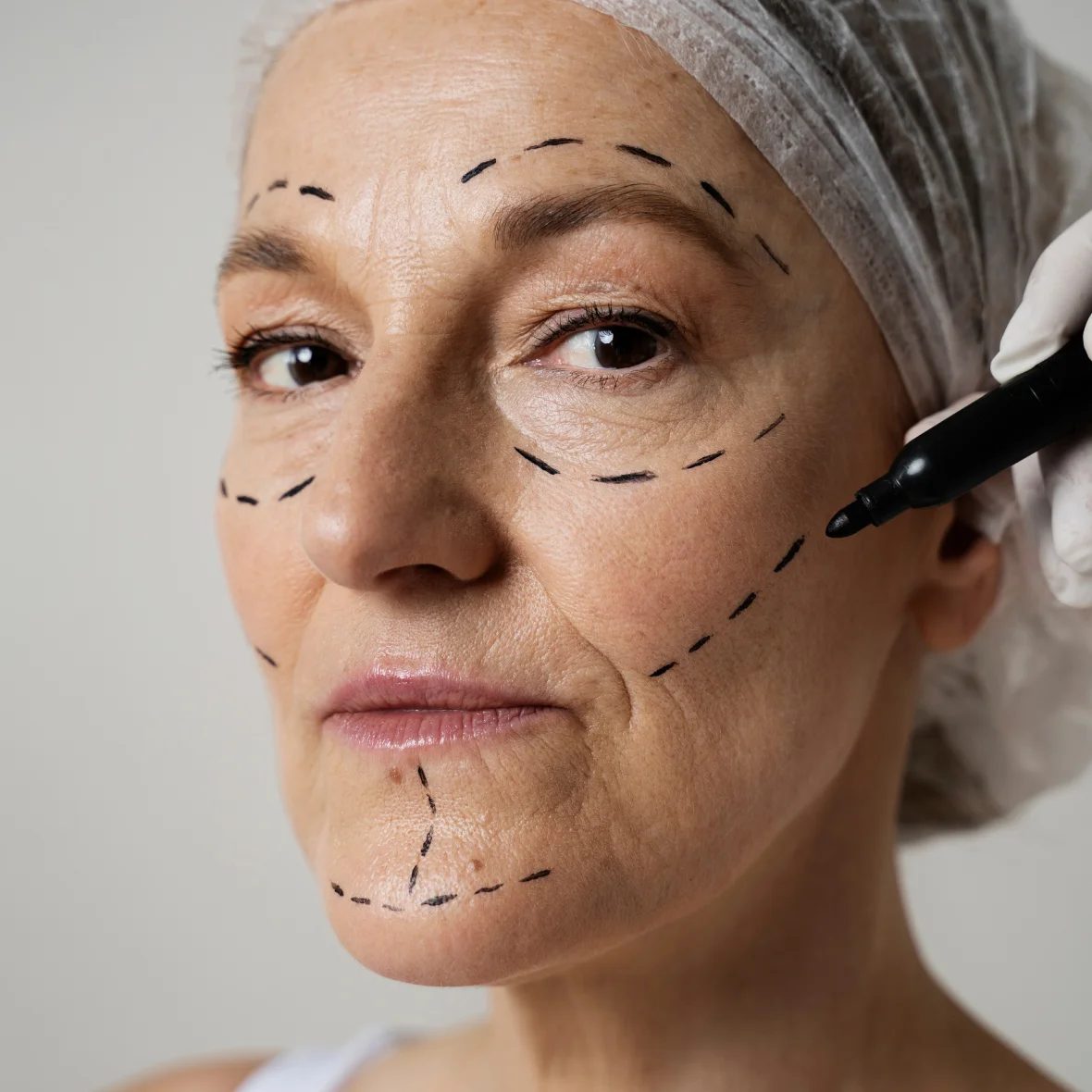
Anyone who lives or works in Encino understands the pressure to look polished without looking obviously "done." The meetings, events, family photos, video calls, and plain old Southern California sunlight all have a way of putting skin under a microscope. Many people want brighter, tighter, smoother skin, but they do not want a week of hiding at home or the stiff, overfilled look that can come from the wrong treatment plan.
That is exactly where the Fotona 4D laser facial has carved out a place. When people search for the Fotona 4D Laser Facial (TimeWalker) Encino, CA, they are usually looking for a treatment that threads a difficult needle. They want meaningful improvement in tone, texture, laxity, and overall freshness, but they also want a treatment that fits a real life schedule. They want to look like themselves on a very good skin day.
Fotona 4D, often performed on the TimeWalker platform, is attractive because it addresses the skin from more than one angle. Instead of treating only the surface or only deeper tissue, it combines several modes in one session to support tightening, texture refinement, and visible rejuvenation. In experienced hands, it can be a smart option for early to moderate signs of aging, tired-looking skin, and that flat, slightly deflated quality that often shows up before a person is ready for surgery.
Why this treatment gets attention in Encino
Encino patients tend to be informed. They have often tried quality skincare, regular facials, maybe even peels or microneedling. They are not necessarily looking for the most aggressive treatment on the menu. More often, they are looking for the right treatment, one that gives a credible return without derailing work, parenting, social plans, or exercise routines for too long.
Fotona 4D fits that mindset well. It is not a magic wand, and it does not replace a facelift in someone with substantial sagging. What it can do, when selected appropriately, is improve skin quality in a layered way. That matters, because "looking tired" usually is not caused by one single issue. It is often a mix of fine lines, crepey texture, mild skin looseness, uneven tone, enlarged pores, and a loss of bounce. A treatment that can speak to several of those concerns at once tends to produce a more natural result than chasing each symptom separately.
Another reason it appeals to patients in this area is social downtime. A lot of people can tolerate a bit of redness and dryness. Far fewer can tolerate bruising, peeling sheets of skin, or a face that announces to everyone that a procedure happened yesterday. Fotona 4D generally lands in that middle zone where results can build without the kind of recovery that causes logistical headaches.
What Fotona 4D actually is
Despite the name, this is not just one pass with one laser. It is a protocol that uses different laser modes in sequence to target multiple tissue depths and treatment goals. The exact settings and emphasis vary by provider and patient, but the broader idea stays the same. Heat is used strategically to stimulate collagen remodeling, tighten tissue, and improve the skin's surface quality.
One of the distinctive parts of the treatment is the intraoral component, where the inside of the mouth is treated to support tightening around the nasolabial area and lower face. That feature often surprises first-time patients, but it is one reason the treatment feels more comprehensive than a standard surface-only laser session.
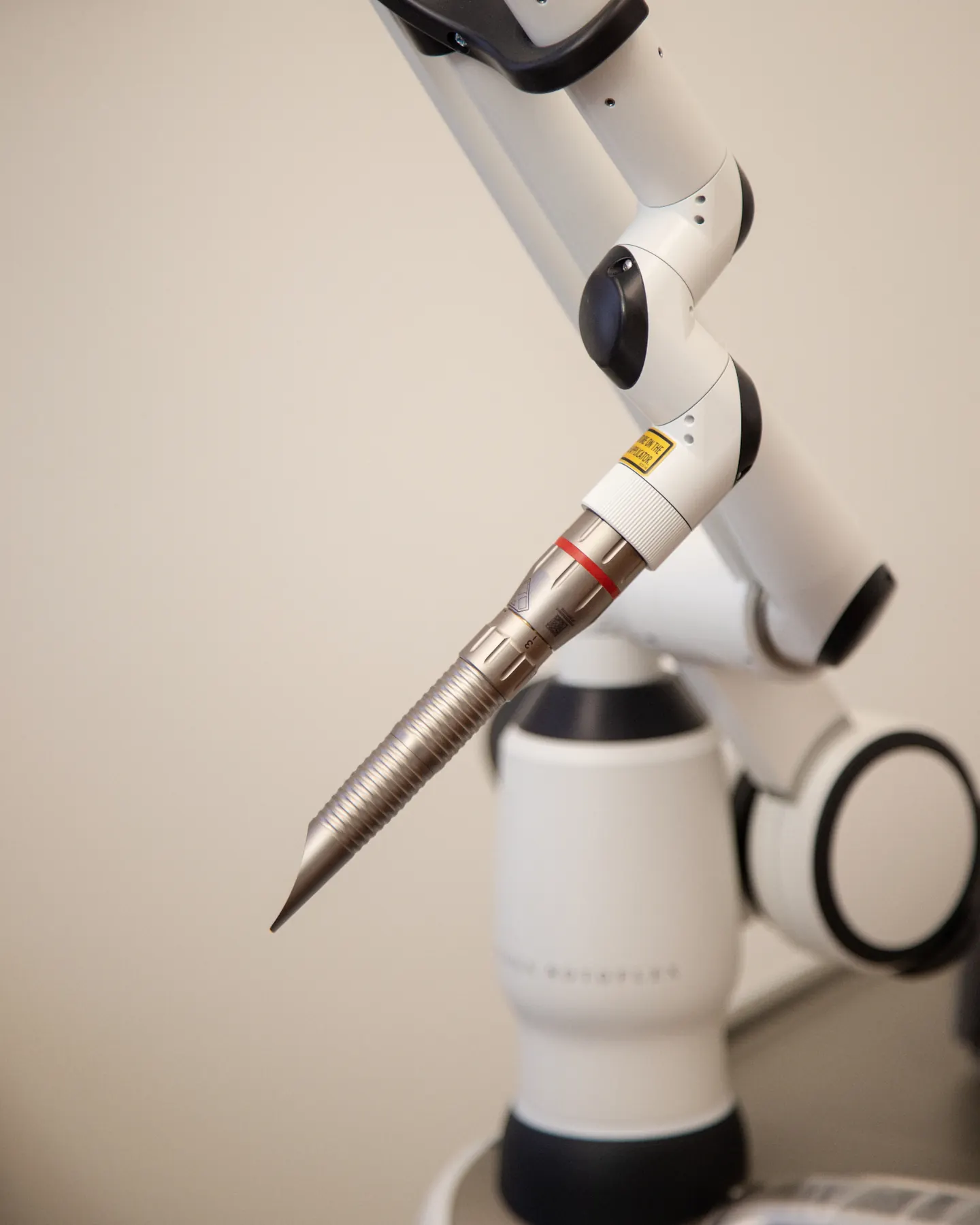
The TimeWalker platform is part of what makes this flexible. An experienced provider can tailor the treatment based on how a person's skin behaves, where laxity is showing, how much textural correction is needed, and how much downtime the person can realistically accept. In practice, that customization is where a lot of the value sits. The machine matters, but judgment matters more.
How the four dimensions work together
The "4D" label refers to four treatment modes that are layered within one session. Patients do not need to memorize the names, but understanding the basic logic helps set expectations.
The first phase often works from inside the mouth to heat tissue and encourage tightening in areas that contribute to smile lines and lower face softness. It is an unusual concept at first, but many patients appreciate that it targets tissue support rather than simply polishing the top layer.
Another phase reaches deeper tissue to create controlled bulk heating. This is where collagen stimulation and tightening become part of the conversation. It is not the dramatic tightening of surgery, but for someone with mild to moderate laxity, it can create a firmer, more toned look over time.
A separate phase focuses on more superficial irregularities, including texture and pigment variation to some extent. Then, in many protocols, a final light resurfacing step polishes the skin for that smoother, brighter finish patients tend to notice fairly quickly.
The practical benefit is synergy. One mode alone may help, but several complementary modes in the same session often create a more balanced result. Skin can look not only smoother, but also less heavy, less dull, and more rested.
What concerns it tends to improve best
The people happiest with Fotona 4D are usually not expecting a total transformation. They want a visible refresh, and they are willing to let results build over a series. That is a healthy expectation.
It often performs well for fine lines around the mouth and cheeks, mild jowling, early laxity, textural roughness, and enlarged pores. It can also help skin look less creased and more reflective, which is one of those subtle changes people notice in photos before they can explain why. Makeup often sits better afterward, especially for patients who complain that foundation settles into micro-lines or clings to dry texture.
The treatment can be especially appealing for people who feel they look tired even when they are well rested. That complaint is common, and it usually reflects cumulative skin changes rather than one dramatic flaw. Fotona 4D is well suited to that "I need to look fresher" category.
It is less likely to Fotona 4D Laser Facial (TimeWalker) Encino, CA satisfy someone with significant skin redundancy, very deep etched wrinkles, or volume loss that would be better addressed with injectables or surgery. It can still be part of that person's plan, but it should not be oversold as a substitute for treatments that solve different problems.
The treatment experience, from consult to the drive home
A thoughtful consultation matters more than the laser brochure. Good providers spend time looking at facial movement, skin thickness, pigmentation, sun damage, acne scarring history, and how much true laxity is present. They also ask practical questions. Do you have an event coming up? Have you reacted strongly to lasers before? Are you diligent with sunscreen, or honest enough to admit that you are not?
On treatment day, most patients arrive with clean skin. Numbing may or may not be used depending on the protocol and provider preference. Sensation varies by step. Some portions feel warm and prickly, while deeper heating passes can feel more intense, especially around the mouth or jawline. The intraoral part feels strange more than painful for many people. It is not exactly relaxing, but it is usually very manageable.
A full session can take around 45 minutes to over an hour depending on how comprehensive the treatment is. Afterward, the skin may be pink, warm, and slightly puffy, almost like a mild sun exposure or a brisk workout flush. Some patients leave looking barely touched, while others look noticeably red for the rest of the day. By the next day, many are comfortable being in public, though dryness and a sandpapery texture can linger for a few days.
That short social recovery is one reason people schedule this treatment before reunions, family photos, on-camera appearances, or work presentations. The timing still matters, though. "Minimal downtime" is not the same as "perfect skin tomorrow morning."
Who tends to be a good candidate
Not every laser is right for every face, and honest matching prevents disappointment. In practice, the best candidates usually fall into a fairly specific lane:
- Adults with mild to moderate skin laxity who want tightening without surgery.
- Patients bothered by texture, dullness, early wrinkles, or tired-looking skin.
- People who can commit to a series when needed, rather than expecting one treatment to do everything.
- Those who prefer gradual, natural-looking improvement over abrupt change.
- Patients willing to protect their investment with strict sun care and a sensible skincare routine.
People with active infections, certain skin conditions, recent tanning, or medication issues may need to delay treatment or choose a different option. Skin tone and pigment history should also be evaluated carefully. An experienced provider will discuss risk honestly rather than giving a one-size-fits-all answer.
What results look like in real life
Patients often ask the same question in different words: "Will I actually notice anything?" Fair question. With Fotona 4D, some changes can show up relatively quickly. Skin may look brighter and feel smoother within days, once the immediate dryness settles. But the tightening and collagen-related benefits are usually more gradual. They unfold over weeks to months as tissue remodeling progresses.
A common real-world pattern looks like this: in the first week, the skin feels a little tighter and looks a bit more polished. By several weeks out, makeup sits better, pores can appear softer, and the lower face may look slightly more refined. After a series, the cumulative effect is more convincing. Friends may say you look rested or ask if you changed your skincare. That kind of response is often the sweet spot.
The biggest mistake is judging the treatment too early or treating it like a resurfacing laser that Fotona 4D Laser Facial (TimeWalker) Encino, CA delivers all its value on day three. This is a build-over-time treatment. People who understand that are usually far more satisfied than those who expect instant dramatic lifting.
How many sessions most people need
One treatment can produce a nice refresh, especially before an event, but many patients do better with a series. The exact number depends on age, baseline skin quality, laxity, and goals. In clinical practice, providers often recommend multiple sessions spaced several weeks apart to build collagen more meaningfully.
A younger patient in their 30s with mild texture concerns and very early laxity may be pleased after one or two sessions. Someone in their late 40s or 50s with more sun exposure, deeper lines, and visible loss of firmness may need a more structured series and ongoing maintenance. That is not a failure of the treatment. It is simply how biology works.
Maintenance also matters. Skin keeps aging. Collagen support gained from treatment does not freeze time. Many people in Encino fold this into an annual or semi-annual skin maintenance plan, especially if they spend time outdoors, drive a lot in the sun, or have a camera-facing professional life.
How it compares with a few common alternatives
Patients often come in deciding between Fotona 4D, microneedling with radiofrequency, more traditional fractional lasers, peels, or injectables. The right answer depends on the main complaint.
Microneedling with radiofrequency can be excellent for texture, acne scars, and some tightening, but the feel and downtime profile differ, and some patients prefer laser-based treatments while others do better with RF. Fractional resurfacing can be stronger for textural correction and lines, but may bring more downtime. Chemical peels can brighten and improve superficial irregularity, but they do not usually offer the same deeper tightening component. Injectables address motion lines and volume loss, which are separate issues even when they coexist with poor skin quality.
A good provider will not frame this as a competition. Often the best outcomes come from combining modalities intelligently over time. For example, a person might use neuromodulators for forehead movement, filler sparingly for volume support, and Fotona 4D to improve the quality and firmness of the skin itself. That is a more sophisticated plan than forcing one treatment to carry the whole load.
Preparing well and healing well
Pre-treatment and post-treatment habits can quietly shape the outcome. Patients who breeze past these details sometimes end up irritated, more inflamed, or simply less happy with the recovery window.
Here are the basics most providers emphasize:
- Avoid recent tanning, active sunburn, and irritating skincare before treatment, especially strong acids or retinoids if your provider advises pausing them.
- Arrive with clean skin and disclose any history of cold sores, pigment problems, or recent procedures.
- Use bland, non-irritating skincare afterward, along with diligent broad-spectrum sunscreen.
- Expect a few days of dryness or rough texture, and resist the urge to scrub or pick.
- Time the treatment with a buffer before important events rather than the night before you need to be on camera.
Those sound simple, but they matter. In practice, some of the roughest recoveries happen not because the laser was wrong, but because a patient went hiking the next day, used a harsh active serum too soon, or underestimated how reactive their skin can be after heat-based treatment.
The camera-ready factor
"Camera-ready" can mean different things. For some people, it means no flaky patches around the mouth and less pore visibility under studio lighting. For others, it means looking less puffy and less tired in casual phone photos. Fotona 4D helps most in the realm of skin finish and light reflection. Skin that is smoother and a bit tighter tends to read younger and healthier on camera, even when the change in the mirror feels subtle.
This point is easy to overlook, but it matters. Modern phone cameras, high-resolution video, and bright office lighting are unforgiving. They pull out texture and dullness in a way older photography did not. Treatments that improve how skin reflects light can have a disproportionate payoff in pictures and video calls. That is part of why so many patients describe the goal not as "younger," but as "less exhausted."
What to ask at a consultation in Encino
A consultation should leave you clearer, not more confused. If you are considering Fotona 4D Laser Facial (TimeWalker) Encino, CA, ask how the treatment will be customized for your skin, what improvement is realistic in your case, how much downtime you should truly expect, and whether another option might better address your top concern.
Ask to talk through your timeline. A person preparing for a wedding in six weeks needs a different plan than someone starting a long-term skin maintenance program in January. Ask how your skin type influences settings and risk. Ask whether your provider thinks one session is enough or whether a series is more honest. Good providers do not dodge those questions.
It is also worth asking what this treatment will not fix. That answer is often more revealing than the sales pitch. If you have significant volume loss, deep static folds, or heavy lower-face laxity, the provider should say so plainly. Candor builds trust.
Cost, value, and the real calculus
Prices vary by market, practice, and whether the session is a full 4D protocol or a more limited approach. Rather than chasing the cheapest number, it is smarter to think about value through the lens of outcomes, safety, and fit. A discounted treatment performed by someone who does not understand skin typing, facial anatomy, or how to tailor settings can become expensive quickly if it creates complications or simply underdelivers.
The best value usually comes from matching the treatment to the patient correctly the first time. If your main issue is sun damage and surface pigmentation, a different laser or peel may be the better spend. If your concern is the beginnings of laxity with texture changes and a tired appearance, Fotona 4D may make more sense.
A nuanced plan often saves money over time because it avoids piling one treatment on top of another without a clear rationale. That happens more often than people realize.
Where this treatment fits in a long-term skin plan
The healthiest way to think about Fotona 4D is as one tool in a broader strategy. It works best when the foundation is already solid: regular sunscreen, a tolerable home routine, realistic expectations, and a provider who looks at the whole face instead of selling one device.
For many patients, it becomes a maintenance anchor. A series may kick-start collagen support, then periodic treatments help preserve that refreshed look. Others use it seasonally, often after summer or before a major run of events. Patients who age well over time are usually not the ones chasing the most aggressive intervention every few years. They are the ones making measured, consistent decisions with good guidance.
That is also why this treatment attracts people who are not interested in obvious cosmetic work. It sits comfortably in the middle ground. Not too superficial to be trivial, not so aggressive that life has to stop around it.
A sensible expectation leads to the best outcome
If you are considering the Fotona 4D Laser Facial (TimeWalker) in Encino, CA, the central question is not whether the treatment is trendy or popular. It is whether it is appropriate for your skin, your schedule, and your goals. For the right patient, it can refresh tired skin, soften early aging changes, and create a cleaner, more rested look that reads beautifully both in person and on camera.
The key is disciplined expectations. This is not surgery. It is not a substitute for volume restoration when volume is the problem. It is not a one-session miracle for advanced aging. What it can be is an elegant, practical treatment for people who want visible improvement with a relatively manageable recovery and a natural finish.
That balance is why it continues to earn attention. When done thoughtfully, it does not change your face. It helps your skin look like it has been sleeping better, drinking more water, avoiding stress, and catching kinder light. For a lot of people in Encino, that is exactly the point.
OMNIA Wellness Center
16430 Ventura Blvd Ste 207, Encino, CA 91436
Phone: +1 818-386-8511
FAQ About Fotona 4D Laser Facial (TimeWalker) Encino, CA
What is a Fotona laser good for?
Fotona lasers support several different aesthetic protocols. The Fotona 4D facial uses two wavelengths and four treatment modes to address concerns such as fine lines, skin texture, and mild laxity. OMNIA Wellness Center offers the TimeWalker facial with an individual consultation. Suitability and likely improvement depend on the person's skin and goals; results are not guaranteed, and this treatment does not reproduce a surgical facelift.
How much does a Fotona laser treatment cost?
The cost depends on the treatment protocol, areas treated, number of sessions, and provider's assessment. Ask OMNIA Wellness Center for a current written quote that explains what is included, whether follow-up is included, and any proposed package terms. An individualized estimate is more useful than assuming that one advertised price applies to every facial treatment.
How much downtime is there after a Fotona laser procedure?
Recovery varies with the specific protocol and intensity. Fotona describes its 4D facial as having little to no downtime, but temporary redness or sensitivity can occur, and a stronger surface treatment can require more recovery. Ask the treating clinician what to expect from the planned settings, how to care for the skin afterward, and when to contact the clinic with concerns.