Fotona 4D Laser Facial (TimeWalker) for Confidence-Boosting Results
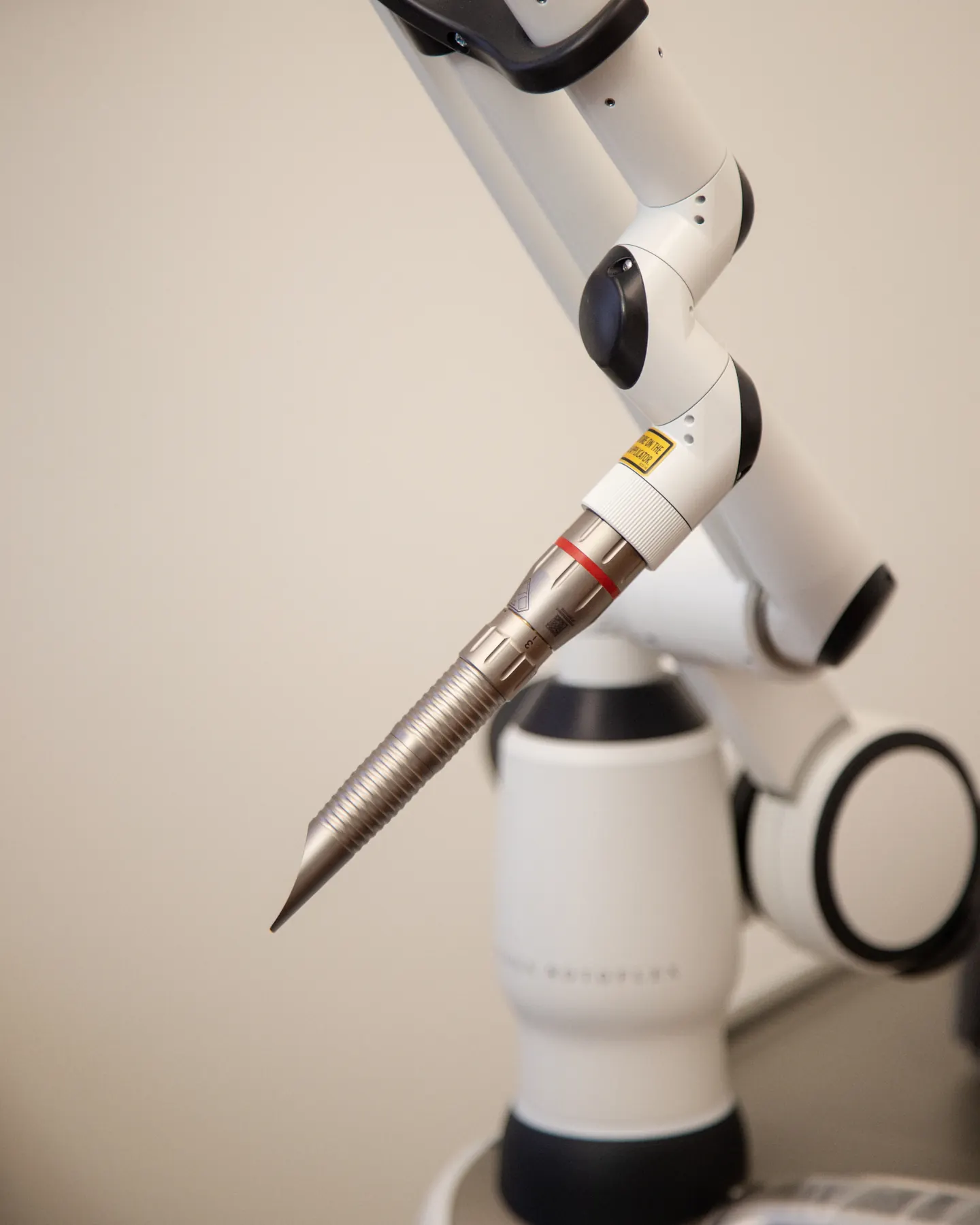

Confidence rarely comes from one dramatic change. More often, it builds when the mirror starts reflecting a version of you that looks rested, clear, and in sync with how you feel inside. That is where non-surgical skin rejuvenation has carved out a meaningful place. Not everyone wants injectables. Not everyone needs surgery. Many people simply want firmer skin, softer lines, better texture, and a fresher overall look without putting life on hold.
The Fotona 4D Laser Facial (TimeWalker) has become a notable option in that middle ground. It appeals to patients who want visible improvement, but also want a treatment plan that feels measured, modern, and realistic. It is not magic, and it is not a one-size-fits-all answer. What it does offer, when used well, is a layered approach to facial rejuvenation that addresses multiple signs of aging in a single session or series.
What makes it particularly interesting is the way it works from both inside and outside the mouth and across different tissue depths. That design gives skilled practitioners more flexibility than many single-mode resurfacing treatments. For the right patient, it can deliver a tighter jawline appearance, smoother skin texture, better tone, and a subtle lift that reads as healthy rather than altered. That subtlety matters. People usually do not want to be asked what they had done. They want to hear that they look well.
What the treatment actually is
The Fotona 4D Laser Facial (TimeWalker) is a multi-step laser treatment that combines several laser modes in one protocol. The exact settings and sequencing can vary by clinic and by patient needs, but the broader concept is consistent. Different stages target different layers of skin and soft tissue, with the goal of stimulating collagen remodeling, tightening tissue, and improving surface quality.
The “4D” name refers to four dimensions or modes of treatment rather than one single pass with one endpoint. In practice, that often includes an intraoral phase to tighten from within, followed by external phases that address deeper dermal heating, fractional rejuvenation, and surface polishing. The TimeWalker platform is part of Fotona’s broader laser system family and is often marketed for aesthetic rejuvenation because it can be customized without requiring a fully ablative recovery.
That customization is one reason experienced practitioners like it. A patient with early jowling and mild nasolabial fold prominence needs a different strategy than someone bothered mainly by crepey texture around the mouth or post-acne roughness on the cheeks. The platform allows those priorities to be blended rather than treated as separate problems requiring entirely separate appointments.
Why patients are drawn to it
Most people who ask about this treatment are not chasing perfection. They are trying to reverse drift. Skin gets less springy. Makeup settles differently. The lower face feels heavier. The area around the mouth starts to show fatigue even on good days. Often these are small changes, but together they can affect self-perception more than one deep wrinkle ever could.
The appeal of Fotona 4D lies in its balance. It sits between lighter facials that feel pleasant but do little long term, and more aggressive resurfacing that can involve longer downtime and a higher intensity recovery period. Patients often like that it can target laxity, texture, and fine lines in one broader plan. That makes it attractive for professionals, parents, and anyone who cannot disappear for two weeks but still wants results that are more than marginal.
There is also a psychological component that should not be dismissed. When treatment improves the areas that tend to signal tiredness, especially around the mouth, cheeks, and under-eye support zone, people often carry themselves differently. They take more photos. They stop angling their face away on video calls. They wear less concealer. Those are not trivial outcomes. They are confidence markers.
How the four stages work together
A common misunderstanding is that all laser facials do the same thing. They do not. Some mainly exfoliate. Some primarily target pigment. Some create controlled injury to the surface for resurfacing. The Fotona 4D Laser Facial (TimeWalker) stands out because it uses several distinct steps to create a more comprehensive result.
The first stage is often the intraoral treatment. This sounds unusual at first, but it is one of the treatment’s defining features. By delivering laser energy from inside the mouth, the practitioner can heat tissue in the cheek and perioral area without breaking the external skin barrier. In suitable patients, this can support mild tightening in areas where the face tends to soften and descend with age.
The second stage typically focuses on deeper tissue heating externally. This is where collagen stimulation becomes a major goal. Controlled heat in the dermis can encourage remodeling over time, which is why results are usually progressive rather than instant. Some patients notice a fresh look quickly, often due to mild swelling and improved circulation, but the more meaningful changes tend to emerge over weeks and continue after repeated sessions.
Fotona 4D Laser Facial (TimeWalker)A third phase often uses fractional delivery to address texture, superficial wrinkles, or unevenness. Fractional treatment creates tiny zones of thermal effect while leaving surrounding tissue intact, which helps recovery. For patients with fine perioral lines, early textural roughness, or mild acne scarring, this step can add real value.
The final stage is often a lighter polishing pass that improves surface appearance and gives the skin a smoother, brighter finish. While this phase may sound cosmetic compared with deeper collagen work, it matters. Surface quality is what people see first. Even modest improvements in texture and radiance can amplify the effect of deeper tightening.
What results tend to look like in real life
This is not the kind of treatment that usually transforms a face overnight. In experienced hands, the better outcome is refinement. Skin often looks firmer, cleaner, and better supported. Fine lines can soften. Makeup tends to sit more evenly. The mid-face can look a touch more lifted, and the lower face less heavy. Around the mouth, many patients appreciate that the etched look of small lines becomes less obvious.
Results vary according to age, skin quality, degree of laxity, sun damage history, and whether the person smokes or has major fluctuations in weight. A 38-year-old with early collagen loss and good skin health may respond very differently from a 62-year-old with advanced laxity and years of cumulative photodamage. Both can improve, but the endpoint should be calibrated honestly.
One of the most useful ways to think about it is as a confidence treatment rather than a replacement for surgery. If someone has significant jowling, heavy neck laxity, or deep static folds caused by structural descent, laser tightening alone may not achieve the change they have in mind. On the other hand, for early to moderate aging changes, especially when texture and tone are Fotona 4D Laser Facial (TimeWalker) part of the complaint, this treatment can be surprisingly satisfying.
The emotional payoff often comes from looking less drawn. Patients sometimes describe it as getting their face back after a stressful year, poor sleep, or a period of burnout. That phrasing says a lot. They are not trying to look different. They are trying to stop looking depleted.
Who usually does best with it
The strongest candidates are often people with mild to moderate signs of aging who want improvement without the commitment of surgery. They may be noticing softening along the jawline, early marionette shadows, fine lip lines, enlarged pores, or a generally tired skin quality. They also tend to have realistic expectations and understand that collagen remodeling is gradual.
It can be a good option for younger patients who want prevention with visible upside, especially if they are not ready for injectables or prefer a device-based approach. It can also suit mature patients who are either not surgical candidates or simply do not want surgery, though in those cases the consultation has to be especially honest about the likely ceiling of improvement.
Skin type matters. Medical history matters. Active infections, certain inflammatory skin conditions, recent tanning, photosensitizing medications, and poor wound healing history can affect whether the treatment is appropriate or how aggressively it should be performed. This is not a treatment to book casually based on a social media clip. The device is only as good as the assessment behind it.
What a treatment session feels like
Most sessions are tolerable, but comfort depends on the settings used and the sensitivity of the area being treated. The intraoral phase often feels unusual more than painful. External heating can create a hot, prickly sensation. Fractional passes are typically sharper and more intense than the smoother heating stages. Topical numbing is commonly used, and some clinics add cooling measures or modified settings for more sensitive patients.
A session length can vary, but roughly 45 to 90 minutes is a reasonable expectation once prep is included. If treatment is conservative, a patient may leave looking mildly flushed, similar to a strong workout or a brisk walk in the cold. If settings are more aggressive, especially during resurfacing-focused portions, redness and swelling can be more pronounced for a few days.
This is where patient lifestyle really matters. Someone with a flexible schedule may happily choose a stronger protocol for a bigger payoff in texture. Someone with constant meetings may prefer a gentler series with less visible downtime. Neither approach is wrong. Good treatment planning matches the laser to the life, not just to the skin.
Downtime and aftercare, without the sales gloss
Many clinics describe the Fotona 4D Laser Facial (TimeWalker) as low downtime, which is often true, but “low” does not mean “none.” Patients can experience redness, warmth, mild swelling, dryness, and a sandpapery texture for a short period depending on the intensity. Some return to normal activities the same day. Others prefer a day or two off from social plans.
Aftercare is straightforward but important. The skin barrier needs support, and sun exposure should be taken seriously. A patient who gets strong treatment and then spends the weekend in direct sun has undercut the whole point.
A sensible recovery routine usually includes:
- Gentle cleansing, avoiding scrubs, retinoids, and acids until the skin settles.
- Liberal use of a bland moisturizer to support barrier repair.
- Strict daily sun protection, ideally with broad-spectrum SPF and physical shade where possible.
- Temporary avoidance of very hot exercise, steam rooms, or anything that increases facial flushing for the period advised by the clinic.
- Patience with the timeline, because collagen change is measured in weeks, not hours.
Patients who do best are the ones who treat aftercare as part of the treatment rather than an optional add-on.
The trade-offs that deserve honest discussion
No worthwhile aesthetic treatment is free of trade-offs. The upside of the Fotona 4D approach is versatility and relatively manageable downtime. The trade-off is that results are usually cumulative and subtle to moderate rather than dramatic. If someone expects the lift of a surgical facelift from a laser facial, disappointment is likely.
Another trade-off is that the technology is highly operator dependent. Two clinics can offer the same branded treatment and produce very different experiences and outcomes. Settings, sequencing, patient selection, and endpoint judgment all matter. A conservative provider may under-treat. An aggressive but careless one may trigger unnecessary irritation or post-inflammatory changes, especially in more reactive skin.
There is also the cost-to-maintenance conversation. Laser rejuvenation often works best as a series followed by upkeep. For some patients, that makes sense. They value gradual, natural-looking improvement and are happy to maintain it. Others may realize that a different approach, such as injectables, surgery, or a focused resurfacing treatment, offers better value for their specific goals.
This is where consultation quality separates polished marketing from sound medical aesthetics. The right provider will tell you not only when Fotona 4D is a good fit, but when it is not.
How it compares with other common options
Patients rarely come in asking only one question. More often they ask whether this is better than radiofrequency microneedling, fractional CO2, a chemical peel, or filler. “Better” depends on the target.
If the main issue is pigment, a different laser or light-based treatment may be more directly relevant. If the main issue is volume loss in the cheeks or temples, filler may create the change more efficiently, though not everyone wants that look or maintenance pattern. If the main issue is advanced skin laxity, surgery may be the more honest answer. If the main issue is acne scars or deeper etched wrinkles, a more aggressive resurfacing treatment could outperform a 4D protocol, though at the cost of greater downtime.
Where Fotona 4D often shines is the patient with mixed concerns, someone who has a bit of laxity, a bit of texture change, a bit of fine wrinkling, and wants one coordinated plan rather than three separate treatments. That middle category is large, and it is the reason the treatment has staying power.
Questions worth asking at the consultation
A good consultation should feel less like a sales appointment and more like a treatment planning session. The provider should examine your skin at rest and in motion, assess laxity, review medical history, and explain what they believe is realistically achievable.
It helps to ask:
- Which signs of aging in my face are you targeting with this treatment?
- How many sessions do you think I will need to see a meaningful result?
- What kind of downtime should I personally expect with the settings you plan to use?
- What are the limitations of this treatment for my skin and facial structure?
- Are there alternatives that might suit my goals better?
The answers matter as much as the device name. A clinic that cannot explain its reasoning clearly is not offering true expertise.
Why confidence is the right lens for judging results
The best aesthetic work rarely announces itself. It restores alignment between how a person feels and how they appear to others. That is why the confidence conversation around the Fotona 4D Laser Facial (TimeWalker) is more useful than obsessing over before-and-after images taken in flattering light.
Confidence-boosting results come from several small wins layered together. Skin feels smoother under the fingers. The face catches light more evenly. The lower cheeks look a little tighter. Smile lines seem less fixed. The lipstick no longer bleeds into fine vertical lines as quickly. On paper, each of those changes sounds modest. In daily life, they can shift how a person presents themselves.
I have seen patients be far happier with a 20 percent improvement that looked natural than with a more dramatic intervention that made them feel unlike themselves. That is an important distinction in aesthetics. Satisfaction is not just about magnitude. It is about fit.
Setting expectations that lead to satisfaction
The people most pleased with this treatment usually go in with a clear goal and a flexible mindset. They want to look fresher, not different. They understand that collagen remodeling takes time. They are willing to do a series if needed. They follow aftercare. They choose a provider based on judgment rather than glossy branding.
For those patients, the treatment can be a smart investment in visible but believable rejuvenation. It can soften the signs that chip away at confidence and restore some of the facial vitality that stress, age, and sun exposure tend to erode. It will not solve every concern. It will not replace surgery when surgery is truly indicated. But it can occupy a very useful space between superficial pampering and major intervention.
That middle space is where many people actually live. They are busy. They want to age well. They want proof that their efforts matter when they look in the mirror. The Fotona 4D Laser Facial (TimeWalker) can deliver that kind of result when the indication is right, the plan is tailored, and the expectations are grounded in reality.
If the aim is confidence, not theatrical transformation, that is often exactly enough.
OMNIA Wellness Center
Address: 16430 Ventura Blvd Ste 207, Encino, CA 91436
Phone: (818) 386-8511
FAQ About Fotona 4D Laser Facial (TimeWalker)
What are the benefits of Fotona laser treatment?
OMNIA offers this treatment for concerns such as uneven texture, dull tone, and fine lines. Results and the number of sessions vary, so discuss your goals with a provider.
Is Fotona laser safe?
A qualified provider should review your skin, medical history, medications, and recent sun exposure to determine whether the treatment is appropriate. Ask about possible irritation, pigment changes, and aftercare before booking.
How much does a Fotona 4D facelift cost?
Price depends on the treatment plan and number of visits. Ask OMNIA for an itemized estimate during your consultation.