Fotona 4D Laser Facial (TimeWalker) for a Naturally Refined Look
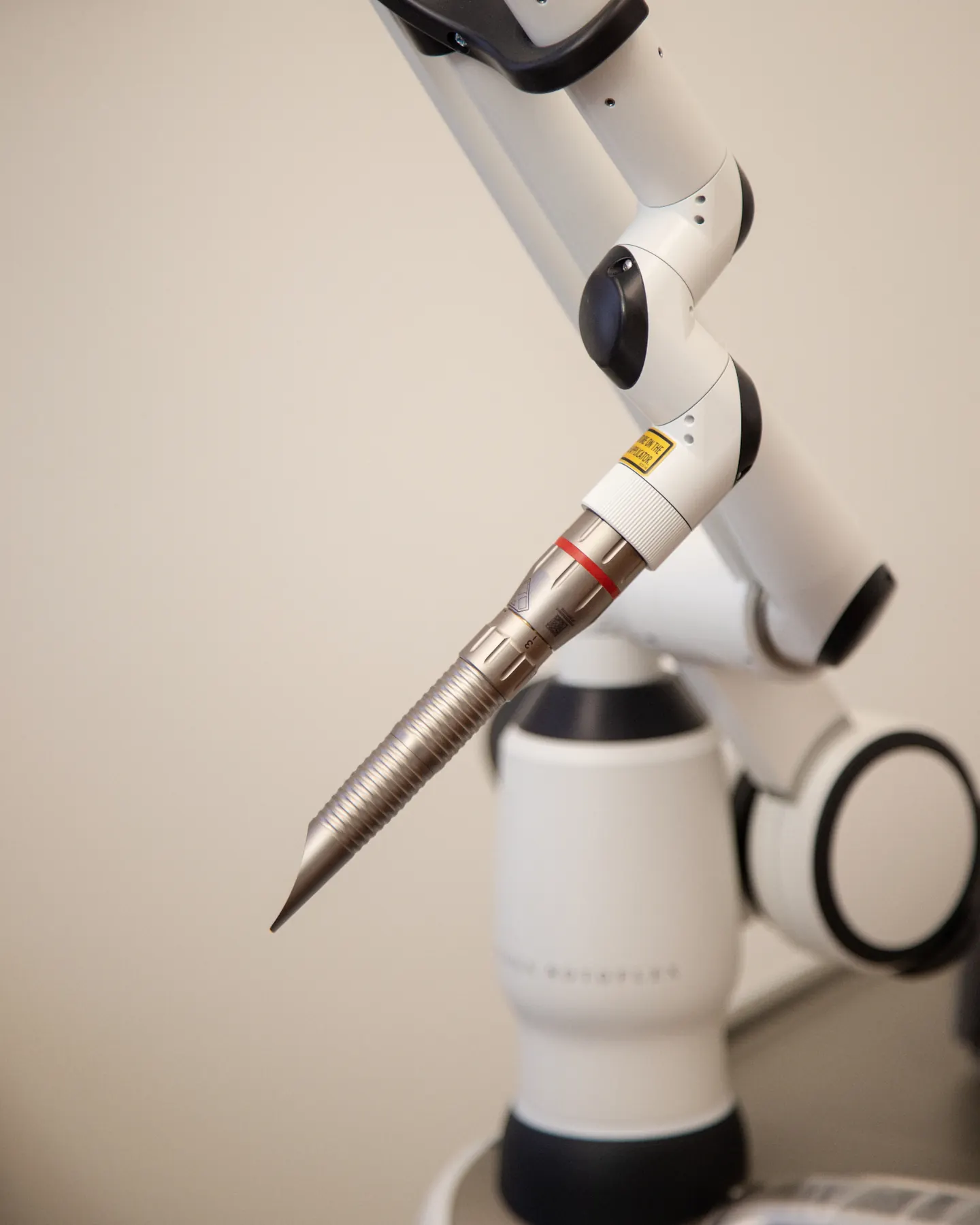
There is a particular kind of cosmetic result many people want now, and it is not the obviously treated face. It is the version where friends say you look rested, your skin looks smoother in daylight, and makeup sits better, but no one can quite identify why. That is exactly where the Fotona 4D Laser Facial (TimeWalker) tends to shine.
Among non-surgical rejuvenation treatments, this approach has earned attention because it works on skin quality and structure from more than one angle. It is not simply a surface polish. It is a layered treatment that can target laxity, fine lines, texture, pore appearance, and overall tone with far less downtime than many people expect when they hear the word laser.
That said, it is not magic, and it is not the right answer for every face or every concern. The best outcomes come when the treatment is chosen for the right patient, performed by a skilled clinician, and paired with realistic expectations. In practice, that is what separates a refined result from a disappointing one.
What the treatment actually is
The Fotona 4D Laser Facial (TimeWalker) is a multi-step laser treatment performed with Fotona technology, commonly using Er:YAG and Nd:YAG wavelengths in a structured sequence. The “4D” concept refers to four complementary modes or dimensions of treatment, each addressing a different layer or issue. One of the reasons experienced practitioners like it is Fotona 4D Laser Facial (TimeWalker) that it allows them to stack benefits in a single session rather than relying on one mechanism alone.
A hallmark of this treatment is that part of it may be performed intraorally, meaning from inside the mouth along the cheek area. That tends to surprise first-time patients, but there is a clear purpose behind it. By treating tissue from the inside, the provider can stimulate tightening and support in areas that contribute to early mid-face sagging and softening around the nasolabial fold region.
From there, additional passes work more superficially or thermally through the outer skin to improve tone, stimulate collagen remodeling, and refine the skin’s finish. Think of it less as one laser blast and more as a staged treatment plan carried out in one appointment.
This layered design is why the treatment often appeals to people who are not ready for injectables in multiple facial zones, are not interested in surgery, or simply want a fresher version of their own face rather than a dramatically altered one.
Why the results can look natural
Natural-looking rejuvenation usually comes from respecting anatomy and avoiding overcorrection. Lasers, when used well, often support this goal because they do not add volume in the way filler does. Instead, they aim to improve the quality of the skin and encourage the tissue to behave more youthfully.
With the Fotona 4D Laser Facial (TimeWalker), that can translate to subtle lifting, softer lines, firmer-feeling skin, and a smoother surface. The face still moves like your face. You still look like yourself. The refinement tends to register in the details: the under-eye area may look less tired, the cheeks may appear a bit tighter, pores can look less obvious, and the overall complexion often reflects light better.
In clinic conversations, this is often the treatment I hear described as “I want to look polished, not done.” That distinction matters. Some people need volume replacement. Some need deeper resurfacing. Others simply need a treatment that nudges the skin in the right direction across several fronts at once. This protocol can fit that middle group especially well.
The four layers, and why they matter
Although practitioners may vary the exact settings and sequence based on the patient’s skin and the device platform, the classic 4D approach generally combines internal tightening, deep thermal stimulation, fractional rejuvenation, and light surface finishing.
The intraoral phase is often the most unusual part for patients, but clinically it makes sense. Heating the inside cheek tissue can support collagen contraction and remodeling in areas tied to lower-face and mid-face softness. It is not a facelift, but for early laxity it can give a mild, elegant tightening effect.
A deeper external phase often uses controlled thermal energy to heat tissue beneath the surface without removing the top layer. This is where collagen stimulation becomes a major goal. Patients may not always see the full value of that step immediately, because collagen remodeling takes time, but it is often what gives the treatment staying power.
Then there is the fractional component, which creates controlled micro-injury to prompt renewal. This can help with texture, fine lines, and the general crepey quality that creeps in around the eyes and mouth. Finally, a lighter polishing step can improve skin smoothness and brightness, giving that fresher finish many patients notice first.
What makes this approach effective is not any one pass on its own. It is the cumulative effect of treating tissue at different depths with different intentions.
Who tends to do well with it
In real-world practice, the best candidates are usually people with mild to moderate signs of aging who want visible improvement without a long recovery. It can be a particularly good fit for those bothered by early laxity, fine lines, dullness, enlarged pores, or a general loss of skin snap.
It is often considered by patients in their thirties through fifties, though age is less important than skin condition and treatment goals. I have seen very good outcomes in younger patients using it preventively or as a maintenance strategy, and equally nice outcomes in older patients who understand they are choosing refinement rather than a surgical level of change.
A few situations tend to signal a strong match:
- Early jowling or softening in the lower face
- Fine lines around the mouth or eyes
- Tired-looking skin texture despite good skincare
- Desire for collagen support without injectables or surgery
- Interest in low to moderate downtime rather than a prolonged recovery
Where people can go wrong is assuming it solves everything. If there is significant skin laxity, heavy volume loss, deep static folds, or substantial sun damage, another treatment, or a combination plan, may be more appropriate. Good providers say that plainly.
What a session feels like
One of the reasons this treatment has broad appeal is that it is generally tolerable. “Tolerable,” however, means different things to different people, and it helps to be honest about sensation.
The intraoral portion often feels warm and strange rather than sharply painful. Some patients describe it as a heated dental instrument moving inside the cheek. The deeper external stages can feel like bursts of heat, and the fractional portions may create more prickling or stinging. The polishing phase is usually the easiest.
Topical numbing may be used depending on the settings and the clinic’s protocol. The total appointment time can vary, but it often falls somewhere around 45 to 90 minutes once prep and post-treatment steps are included.
Afterward, many patients look pink to red, as though they have had a brisk workout or a day in the sun. Mild swelling is not unusual, especially in people who retain fluid easily. Some feel a warm, tight sensation for several hours. If a more active fractional setting has been used, the skin may feel rough or sandpapery for a few days as it renews.
This is where expectation-setting matters. The term “lunchtime treatment” gets used too loosely in aesthetics. Some people can return to work or social plans quickly, especially after lighter settings. Others will prefer a few days before being photographed up close.
Downtime, in practical terms
Downtime exists on a spectrum with the Fotona 4D Laser Facial (TimeWalker) because settings can be adjusted. A lighter treatment geared toward glow and maintenance may leave only transient redness. A stronger session focused on texture or tightening can leave more visible after-effects.
For most patients, the first 24 to 72 hours are when the skin looks the most flushed or feels the most sensitive. Makeup may be possible fairly soon, depending on the protocol and the provider’s aftercare instructions, but many people prefer to let the skin breathe at least initially.
The rough, bronzed, or dry feel that can develop afterward is common with laser rejuvenation and usually temporary. It is not glamorous, but it is often the bridge to smoother skin a few days later. This is one reason I usually advise patients not to schedule a first session in the same week as a wedding, major work presentation, or family photo shoot. Even a low-downtime treatment deserves timing with some common sense.
When results start to show
The timeline of improvement has two tracks. The first is the short-term glow. Once the initial redness settles and the surface renews, skin often looks brighter and feels smoother. That may appear within days to a couple of weeks.
The second track is collagen remodeling, and that takes longer. Firmer texture and mild tightening usually unfold gradually over several weeks to a few months. This is the part patients sometimes undervalue at first because it is not dramatic overnight. Then they compare photos eight weeks apart and notice the change.
A single treatment can produce visible benefit, but a series is often recommended, especially when the goals involve texture, fine lines, or more meaningful collagen stimulation. Depending on skin quality and the treatment intensity, clinics may suggest several sessions spaced weeks apart, followed by maintenance once or twice a year. The exact schedule should be individualized. Anyone promising a universal formula is oversimplifying.
Where it fits compared with other treatments
Patients often ask where this treatment sits relative to microneedling, RF microneedling, IPL, chemical peels, or more aggressive resurfacing lasers. The honest answer is that it occupies a useful middle ground.
Compared with a superficial peel or basic facial, it typically goes deeper and does more for structural rejuvenation. Compared with ablative resurfacing, it tends to involve less downtime and less dramatic peeling, but usually also less dramatic single-session correction. Compared with injectables, it works through skin and tissue remodeling rather than volume replacement or muscle relaxation.
That means it can be a strong option for someone who does not yet need, or does not want, more invasive intervention. It can also pair well with other treatments in a broader plan. For example, a patient with dynamic crow’s feet may still benefit from neuromodulators, while one with marked pigment may need a different pigment-focused laser or light treatment as well.
This is where provider judgment matters far more than branding. The same machine in two different hands can lead to very different experiences and outcomes.
Skin tone, safety, and why consultation matters
Laser safety is never one-size-fits-all. Skin tone, recent sun exposure, history of melasma, medications, active acne, rosacea, and tendencies toward post-inflammatory hyperpigmentation all influence how a treatment should be planned.
Darker skin tones can absolutely benefit from laser rejuvenation, but the settings, indications, and pre-treatment strategy may need thoughtful adjustment. Anyone prone to pigmentation issues should be especially cautious about aggressive treatment done casually. The right provider will ask about tanning, previous laser reactions, herpes simplex history if the mouth area is involved, and any use of retinoids or photosensitizing medications.
A responsible consultation should include a frank conversation about what this treatment can improve, what it cannot, and whether another option would be safer or more effective. If someone glosses over risks or rushes straight to booking, that is not reassuring.
The value of a good provider
With aesthetic lasers, the device matters, but the clinician matters more. This treatment is deceptively nuanced. Settings can be tuned. Passes can be emphasized or softened. Areas of the face age differently. A thinner under-eye zone should not be treated like a thicker cheek. Someone with heat-sensitive redness needs a different approach from someone with resilient, oilier skin.
The best providers do not simply run a preset. They read the face. They ask whether the patient’s priority is lifting, texture, pores, brightness, or around-the-mouth lines. They tailor the treatment, explain trade-offs, and tell patients when a different modality would be smarter.
I have also found that strong practitioners are more measured in their language. They do not call every non-surgical treatment a facelift alternative. They know that a subtle but elegant result is often more satisfying, and more believable, than an overpromised one.
What to do before and after treatment
Preparation and aftercare influence outcomes more than many patients realize. Fresh sun exposure before laser treatment is one of the easiest ways to increase the risk of irritation or uneven pigment response. Likewise, piling strong active skincare onto freshly treated skin can turn a smooth recovery into an unnecessarily inflamed one.
A sensible recovery routine is usually simple:
- Avoid direct sun and use diligent broad-spectrum SPF
- Pause irritating actives such as retinoids and strong acids if advised
- Keep the skin hydrated with bland, barrier-supportive products
- Do not pick, scrub, or exfoliate rough skin as it sheds
- Follow any specific instructions about exercise, heat, or makeup timing
This is not the time to experiment with new serums or “skin cycling.” Calm, uncomplicated care generally serves the skin best for the first several days.
Common questions patients ask
One of the most frequent questions is whether the treatment is painful. The honest answer is that it is usually manageable, but not sensation-free. Another common question is whether one session is enough. Sometimes yes for a freshening effect, often no if the goal is cumulative tightening or textural improvement.
Patients also ask whether they will peel. Some do lightly, some mainly feel roughness, and some have very minimal visible shedding depending on the settings used. The social downtime can be short, but the skin may still look a bit pink or feel dry for several days.
Then there is the question of longevity. Results are not permanent because the skin keeps aging, but collagen stimulation can provide benefits that last months, especially when maintenance treatments and consistent sun protection are part of the plan. People who smoke heavily, tan frequently, or neglect skincare usually lose ground faster than those who support the result.
Where expectations need to stay grounded
The most satisfied patients are not always the ones chasing the biggest possible change. They are usually the ones who understand what this treatment is designed to do. It refines. It stimulates. It improves quality. It can create a fresher and firmer look. What it does not do is replace surgery in a face with significant laxity, erase deep folds in one sitting, or permanently stop visible aging.
That does not make it modest in value. In the right patient, modesty is exactly the point. Good aesthetic medicine often works best when it is a little hard to spot. Better tone, smoother texture, softer fine lines, mild lift, less creasing around the mouth, more bounce in the skin, these are meaningful changes, especially because they tend to preserve facial identity.
For many people, that is a far more attractive proposition than looking treated.
A refined place in a modern treatment plan
The Fotona 4D Laser Facial (TimeWalker) occupies an appealing space between basic maintenance and more aggressive intervention. It is sophisticated without being theatrical. It offers multiple mechanisms of rejuvenation in one session, often with manageable downtime and results that build gracefully rather than arrive all at once.
Used thoughtfully, it can be one of the better options for someone who wants to look subtly improved, not transformed. That is a distinction worth protecting. In experienced hands, the treatment can support the face you already have, sharpen what has softened, and restore some of the crispness that time gradually blurs.
And when aesthetic work is done well, that is often the highest compliment it can earn.
OMNIA Wellness Center
Address: 16430 Ventura Blvd Ste 207, Encino, CA 91436
Phone: (818) 386-8511
FAQ About Fotona 4D Laser Facial (TimeWalker)
What are the benefits of Fotona laser treatment?
OMNIA offers this treatment for concerns such as uneven texture, dull tone, and fine lines. Results and the number of sessions vary, so discuss your goals with a provider.
Is Fotona laser safe?
A qualified provider should review your skin, medical history, medications, and recent sun exposure to determine whether the treatment is appropriate. Ask about possible irritation, pigment changes, and aftercare before booking.
How much does a Fotona 4D facelift cost?
Price depends on the treatment plan and number of visits. Ask OMNIA for an itemized estimate during your consultation.