Fotona 4D Laser Facial (TimeWalker) Explained Step by Step
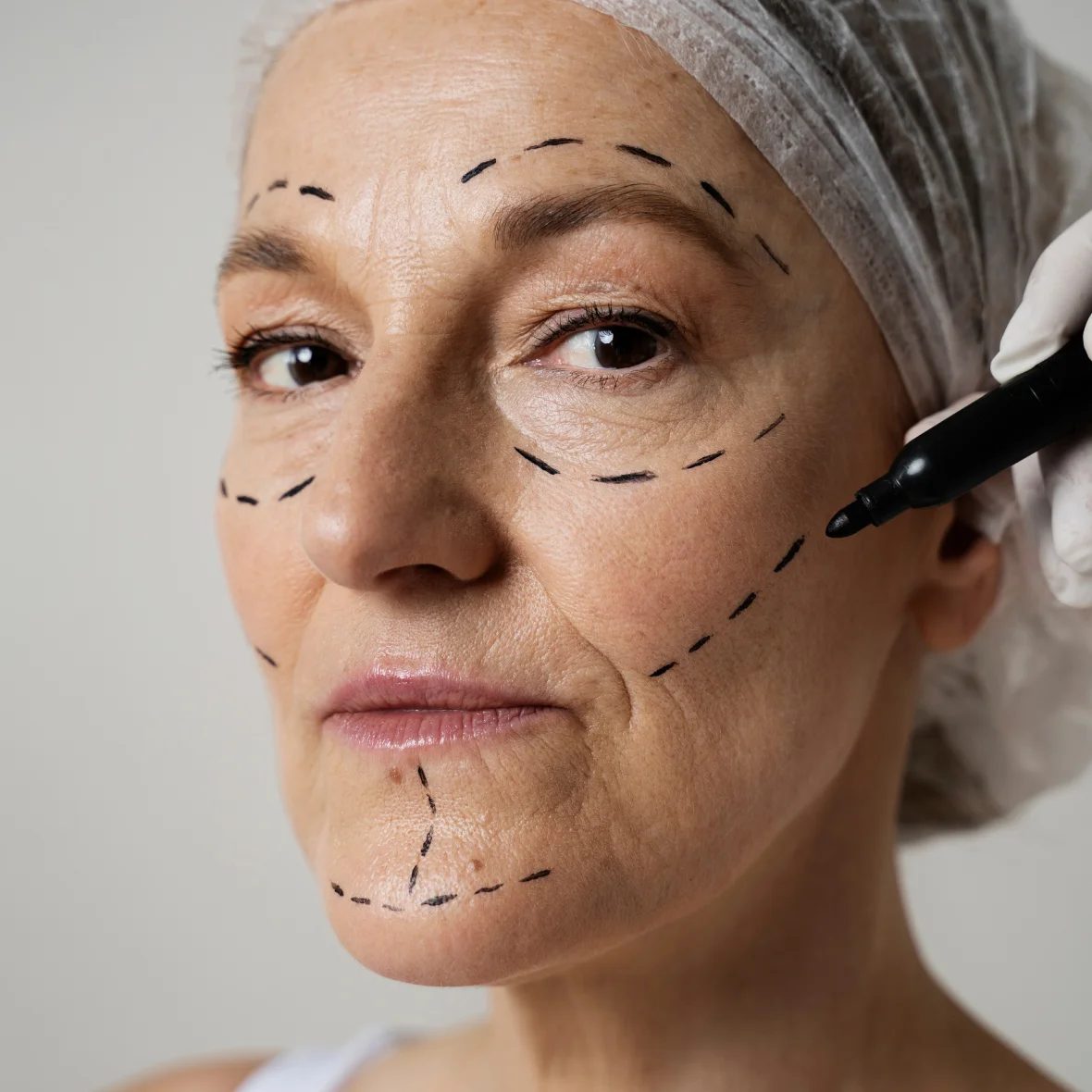
The Fotona 4D Laser Facial, often discussed alongside the TimeWalker platform, sits in an interesting middle ground between a conventional facial and a more aggressive resurfacing treatment. It is marketed as a non-surgical option for tightening, brightening, and refining the skin, but the real value lies in understanding what it actually does, how the treatment is layered, and who tends to benefit most.
People often hear "4D" and assume it is just branding. In practice, the name refers to four distinct treatment modes used in one session, each targeting a different tissue depth or skin concern. That combination is the whole point. Rather than relying on one pass of energy and hoping for a broad result, the treatment works from inside the mouth outward, then across the superficial skin, with each stage doing a separate job.
That sounds elegant on paper. In clinic, results depend on good patient selection, correct settings, realistic expectations, and thoughtful aftercare. A person with mild lower face laxity, early lines around the mouth, dull texture, and no appetite for injectables or surgery may be thrilled. Someone expecting a facelift result from one lunchtime treatment usually leaves disappointed, even if the skin objectively looks better.
What the treatment actually is
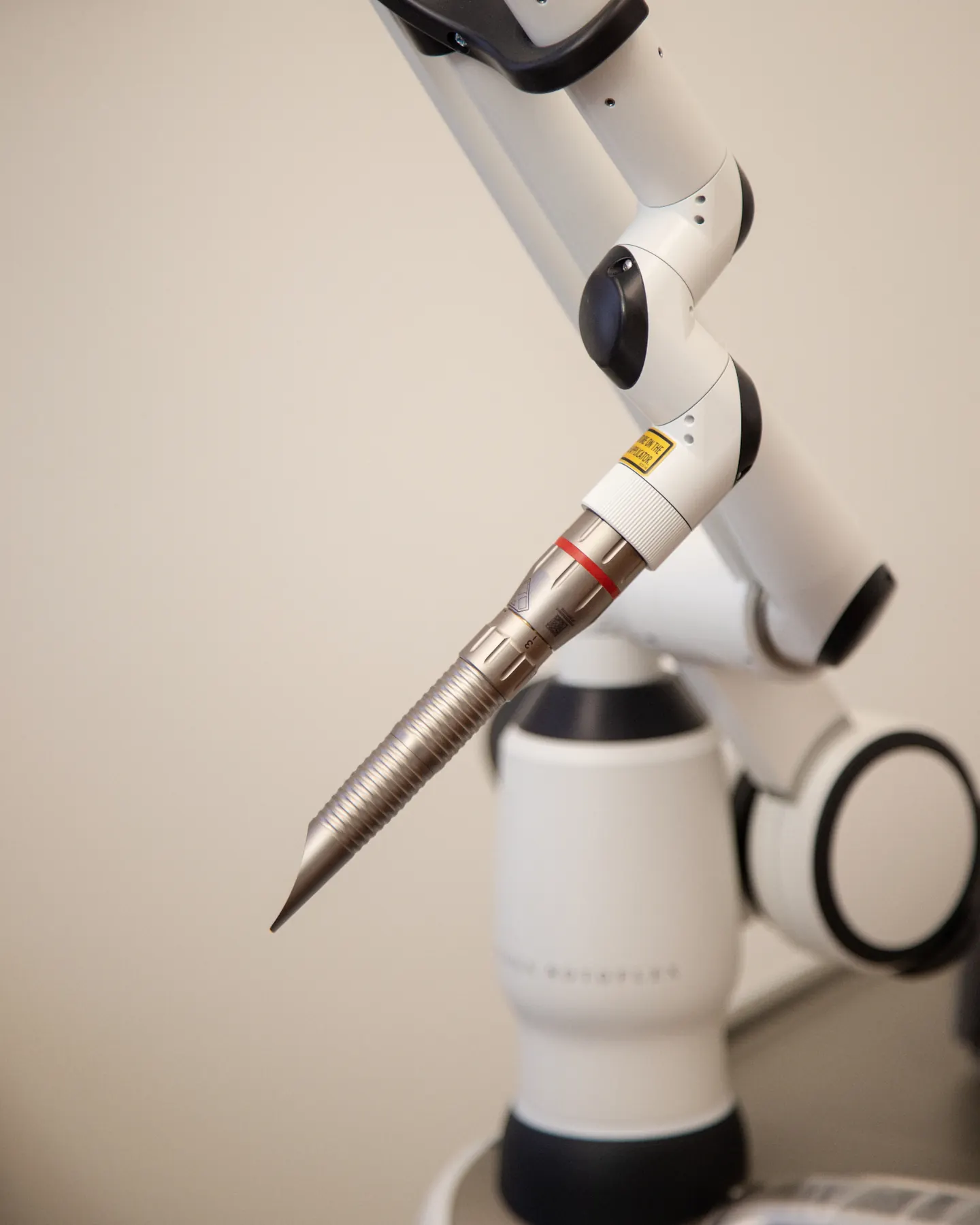
Fotona is a laser company known for using two wavelengths often combined on one platform: Er:YAG and Nd:YAG. The Fotona 4D Laser Facial (TimeWalker) uses these technologies in a structured sequence. The "4D" is less about a gimmick and more about four levels of rejuvenation: intraoral tightening, deep heating, moderate resurfacing, and light polishing.
The TimeWalker name refers to a specific platform and protocol family that can include several anti-aging applications. Depending on the clinic, "TimeWalker Fotona 4D," "Fotona 4D," and "Fotona 4D Laser Facial" may be used almost interchangeably in conversation. That can confuse patients, especially when med spas package treatment names differently. The useful question is not what they call it, but which handpiece, wavelength, pulse mode, and endpoint the clinician is using.
This matters because one clinic's "4D facial" may be a full protocol with oral cavity treatment and resurfacing, while another may trim steps to shorten downtime. Both may be legitimate, but they are not identical experiences.
Why people choose it
The appeal is easy to understand. Many patients want visible improvement without injectables, extended recovery, or surgery. They may be bothered by crepey texture, smile lines, enlarged pores, mild jowling, or a tired surface quality that makeup no longer disguises well. They are not necessarily chasing dramatic change. Often they want to look fresher, tighter, and more awake.
In practice, the treatment tends to appeal to patients in their thirties through sixties, though age alone is a poor filter. Skin quality, collagen reserve, sun damage, pigmentation pattern, and tolerance for downtime matter more. A 38-year-old with heavy photodamage may need a very different plan than a 58-year-old with good skin habits and early laxity.
It is also a treatment that makes sense for people who like layered rejuvenation. Someone already doing neuromodulators, skincare, and perhaps occasional fillers may add Fotona 4D Laser Facial (TimeWalker) for collagen stimulation and textural improvement. Another person may choose it because they want a device-based option and prefer to avoid injectables entirely.
The four stages, step by step
At its best, this treatment feels like a carefully built sequence rather than four unrelated passes.
- SmoothLiftin treats inside the mouth, typically along the cheeks and around the perioral area, to heat tissue and stimulate collagen where support is often lost first.
- FRAC3 targets deeper imperfections and photoaging by delivering fractional energy to selected depths, often focusing on texture irregularities and fine vascular or pigment-related changes.
- PIANO provides bulk heating for tightening, using longer pulses designed to warm tissue more uniformly and safely.
- SupErficial lightly resurfaces and polishes the outer skin, improving brightness and smoothing the top layer.
That is the standard framework, though precise settings vary. A seasoned operator adjusts energy based on skin thickness, redness tendency, melasma history, and tolerance.
Step one, the intraoral phase
This is the part many first-time patients do not expect. The clinician places the laser handpiece inside the mouth and treats the inner cheek lining, usually targeting the area opposite the nasolabial folds and marionette region. The goal is to heat the mucosal tissue and encourage collagen remodeling from within.
The sensation is unusual more than painful. Patients often describe it as warmth with pressure, like a very hot dental instrument moving along the inner cheeks. It is not glamorous, and there is a fair amount of suctioning and gauze involved, but it is quick. Done well, it can be one of the more strategically valuable parts of the procedure because it addresses support from a direction surface-only facials cannot.
This step is particularly useful for softening the look of perioral lines and adding subtle support to the mid and lower face. The word subtle is important. No one should expect the oral phase alone to lift sagging tissue dramatically. What it can do is contribute to gradual firmness and a less collapsed appearance over a series of sessions.
Clinically, this is where experience counts. The oral cavity is sensitive, the tissue is moist, and patient comfort needs attention. Clinics that rush this step often underdeliver.
Step two, deeper fractional correction
The next phase usually moves to the outer face. FRAC3 is designed to target deeper skin imperfections using a fractional pattern that leaves untreated tissue between micro-injuries, which helps healing. This stage often focuses on areas with visible photoaging, fine lines, inconsistent tone, and textural roughness.
Patients feel more prickling here, sometimes like repeated snaps of heat. It is usually tolerable without heavy anesthesia, though comfort measures vary. Some clinics use topical numbing, others rely on cooling and speed. On a pain scale, many patients place it somewhere between a light peel and a stronger microneedling session, though comparisons are imperfect because the sensation changes from one step to the next.
This phase is where expectations can become fuzzy. Fractional treatments can improve texture and tone, but they do not erase everything at once. Deep static lines, acne scarring, and longstanding pigment often require multiple treatments or a different laser approach altogether. When used appropriately, though, this stage adds much of the "my skin looks better" effect people notice in the weeks that follow.
Step three, bulk heating for tightening
PIANO mode is the tightening engine of the treatment. Instead of focusing on superficial ablation, it uses long-pulse Nd:YAG energy to gently but meaningfully heat deeper tissue. The aim is to create a thermal effect that stimulates collagen contraction and remodeling without injuring the skin surface in the way a stronger ablative treatment might.
This stage usually feels like sustained heat moving across the face, jawline, or neck. Most patients tolerate it well, especially when the handpiece keeps moving. The trick is hitting a meaningful thermal endpoint without overheating or undertreating. That balance is harder than it sounds. Too timid, and the treatment becomes expensive relaxation. Too aggressive, and the experience becomes unpleasant with little added benefit.
From a results standpoint, this is the phase patients often care about most, even if they do not realize it during treatment. Surface glow is nice, but tightening is what changes how the face reads in daylight. A modest improvement along the jawline or around the lower cheeks can make a person look less tired and less heavy, even when no one can identify exactly why.
Step four, light resurfacing and polish
The final step, SupErficial, is the finishing pass. This is usually a light Er:YAG peel or polishing treatment that removes part of the very top layer of skin. It is not always aggressive enough to produce heavy peeling, though some flaking or roughness over the next few days is common.
This step can be satisfying because it gives a relatively quick payoff. Skin often looks brighter, smoother, and more reflective once the initial redness settles. Fine dry lines soften. Makeup may sit better a week later. Patients who felt underwhelmed by deeper collagen promises often appreciate this visible surface refinement.
That said, if a patient has significant melasma, reactive redness, or a history of post-inflammatory hyperpigmentation, this part may need modification. A clinician with good judgment does not perform the exact same final pass on every skin type. The best laser work is rarely cookie cutter.
What the appointment feels like from start to finish
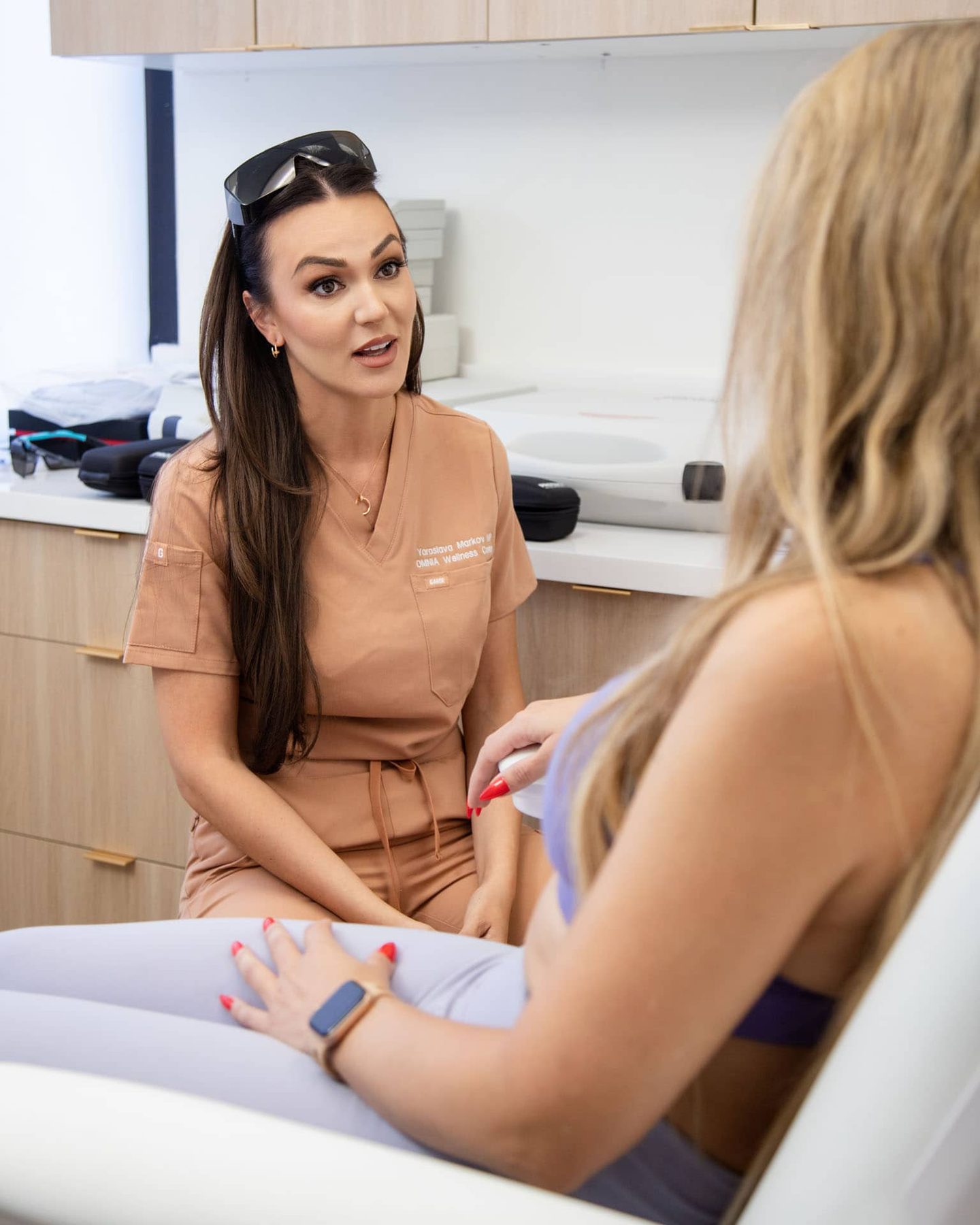
A full visit usually begins with cleansing, photography, and a review of the treatment plan. If the patient is new, this is where smart clinics revisit contraindications, recent sun exposure, cold sore history, active rashes, isotretinoin use, and previous cosmetic procedures. This is not box-ticking. It can change what is safe to do that day.
Numbing is not always extensive because not every stage requires it equally. Some practitioners prefer topical anesthetic for comfort, especially around the upper lip or if a stronger superficial pass is planned. Eye protection is mandatory. The treatment itself may take anywhere from around 45 minutes to a bit over an hour depending on whether the neck is included and how comprehensive the protocol is.
Immediately afterward, most patients look pink to moderately red, as if they have had a brisk workout or a mild sunburn. There may be warmth, tightness, and slight swelling, especially around the mouth and under the eyes. If the resurfacing step is more assertive, the skin can feel rough, dry, or sandpapery for several days.
One practical detail patients appreciate knowing ahead of time is that they may not look "event ready" that night. Some do. Some absolutely do not. If there is an important dinner, photoshoot, or wedding in the next two to five days, timing needs a more cautious approach.
Downtime, recovery, and the first two weeks
Recovery is usually shorter than with fully ablative resurfacing, but calling it "no downtime" is optimistic. Redness for one to three days is common. Swelling is often mild, though people who retain fluid easily may puff more on day one. Rough texture and light flaking often appear as the superficial layer sheds.
Most patients can return to work quickly if they are comfortable being seen with some redness. The bigger issue is not necessarily social downtime, but skin behavior. Makeup may catch on dryness for a Fotona 4D Laser Facial (TimeWalker) OMNIA Wellness Center few days. Active skincare such as retinoids, exfoliating acids, and strong vitamin C formulas may sting or worsen irritation if restarted too soon.
A sensible short-term routine usually includes the following:
- Gentle cleanser and bland moisturizer for several days.
- Strict sunscreen use, ideally broad-spectrum and reapplied.
- No scrubs, acids, retinoids, or aggressive actives until the skin barrier settles.
- Avoid heavy heat exposure, including saunas and hard workouts, for the first day or two if advised by the clinic.
- Prompt communication with the provider if blistering, prolonged swelling, or unusual pigment changes appear.
Most of the immediate "polished" result shows up after the top layer calms down. The tightening effect is slower. Collagen remodeling is gradual, so firmer skin often becomes more obvious over several weeks to a few months.
Who tends to do well with it
The strongest candidates are usually those with mild to moderate skin aging who want improvement across several fronts at once. Fine lines around the mouth, early laxity in the lower face, enlarged pores, dullness, and mild textural inconsistency respond better than very deep folds or heavy skin descent.
Patients with realistic expectations usually end up happiest. A series of treatments, often three spaced weeks apart depending on the protocol, tends to outperform a single session. The first treatment introduces the skin to the process and gives a baseline response. Subsequent sessions usually build on that.
The treatment can also be useful for maintenance. Patients who have already invested in skincare and other in-office treatments sometimes use Fotona 4D Laser Facial (TimeWalker) once or twice yearly to maintain tone and brightness. In those cases, the value is cumulative rather than dramatic.
When it may not be the right choice
There are clear edge cases. Someone with marked jowling, significant neck laxity, or deep etched wrinkles may simply need a stronger intervention if their goal is major structural change. A laser facial can improve the quality of the canvas, but it cannot duplicate surgery.
Pigment-prone patients require extra care. Darker skin tones can often be treated safely, but not with a one-size-fits-all approach. Settings, pulse durations, cooling strategy, and the aggressiveness of the resurfacing stage matter. Anyone with a history of post-inflammatory hyperpigmentation, melasma flares, or unusual scarring should be evaluated conservatively.
Rosacea is another judgment call. Mild vascular reactivity does not always rule it out, but inflamed, unstable skin can become more irritated by heat. In these cases, skin barrier repair may need to come first.
There is also the issue of cost versus expectation. If a patient mainly wants stronger resurfacing for acne scars or brown spots, there may be better value in a treatment designed specifically for those concerns. Fotona 4D is versatile, but versatility is not always the same as being the single best tool for one problem.
Results, timing, and how long they last
Patients often notice two different timelines. The first is the short-term glow, which appears after redness fades and the superficial dry layer sheds. Skin looks smoother, fresher, and more even. The second is the slower firmness that develops over weeks as collagen remodeling progresses.
How long results last depends on age, baseline skin quality, smoking status, sun exposure, hormones, and home care. A person who treats diligently, uses sunscreen, and returns for maintenance may enjoy a longer visible benefit than someone who gets one session and goes back to daily sun exposure without protection.
A fair way to describe longevity is that surface brightness can be immediate but temporary, while collagen gains are gradual and maintenance-dependent. This is why good clinics often frame the treatment as part of a plan rather than a miracle appointment.
The most common misconceptions
One common misunderstanding is that it is just a facial with a luxury name. It is not. Even when downtime is light, lasers are medical devices delivering thermal energy into living tissue. The treatment deserves proper consultation, informed consent, and operator skill.
Another misconception is that more heat always equals better tightening. It does not. Precision matters more than bravado. Overheating tissue can increase risk without proportionate benefit. Underheating, on the other hand, leads to a session that feels expensive and forgettable. The sweet spot comes from training, not marketing.
The third misconception is that everybody will look dramatically lifted. Some people do see a noticeable snap along the lower face, especially when baseline laxity is mild and skin quality is good. Others get more of a refinement result than a lift. The treatment can still be worthwhile, but the language used before the appointment should match that reality.
Questions worth asking before you book
A polished website does not tell you how a clinic actually performs this treatment. Ask whether the full four-step protocol is being used, whether the intraoral step is included, how many sessions are typically recommended for your concern, and what downtime is realistic for your skin.
It is also reasonable to ask who performs the treatment, how often they do it, and what they would choose instead if you were not an ideal candidate. That last question is revealing. A thoughtful provider can explain where the Fotona 4D Laser Facial (TimeWalker) shines, and where another laser, radiofrequency device, injectable approach, or surgical referral might serve you better.
Photos help, but context matters. Before-and-after images taken under different lighting, with makeup, or after a series paired with additional treatments do not tell the full story. Good providers can explain what result came from which part of the plan.
The bottom line on Fotona 4D and TimeWalker
Used well, this is a sophisticated layered rejuvenation treatment. Its strength is not that it does one thing dramatically, but that it improves several dimensions of facial aging at once: support, texture, tone, and surface brightness. For the right patient, that can produce a face that looks more rested and more refined without obvious signs of having "had work done."
The best outcomes usually come from realistic expectations, skilled settings, and a willingness to think in terms of a series rather than a single event. The treatment is not a substitute for surgery, and it is not automatically the best answer for every pigmentation issue, scar, or advanced laxity pattern. But for mild to moderate aging changes, especially around the lower face and mouth, it has earned its place.
If you are considering it, focus less on the hype around the name and more on the anatomy being treated, the four steps being used, and the judgment of the person holding the handpiece. That is what ultimately shapes the result.
OMNIA Wellness Center
Address: 16430 Ventura Blvd Ste 207, Encino, CA 91436
Phone: (818) 386-8511
FAQ About Fotona 4D Laser Facial (TimeWalker)
What are the benefits of Fotona laser treatment?
OMNIA offers this treatment for concerns such as uneven texture, dull tone, and fine lines. Results and the number of sessions vary, so discuss your goals with a provider.
Is Fotona laser safe?
A qualified provider should review your skin, medical history, medications, and recent sun exposure to determine whether the treatment is appropriate. Ask about possible irritation, pigment changes, and aftercare before booking.
How much does a Fotona 4D facelift cost?
Price depends on the treatment plan and number of visits. Ask OMNIA for an itemized estimate during your consultation.