Exploring Fotona 4D Laser Facial (TimeWalker) Options in Encino, CA
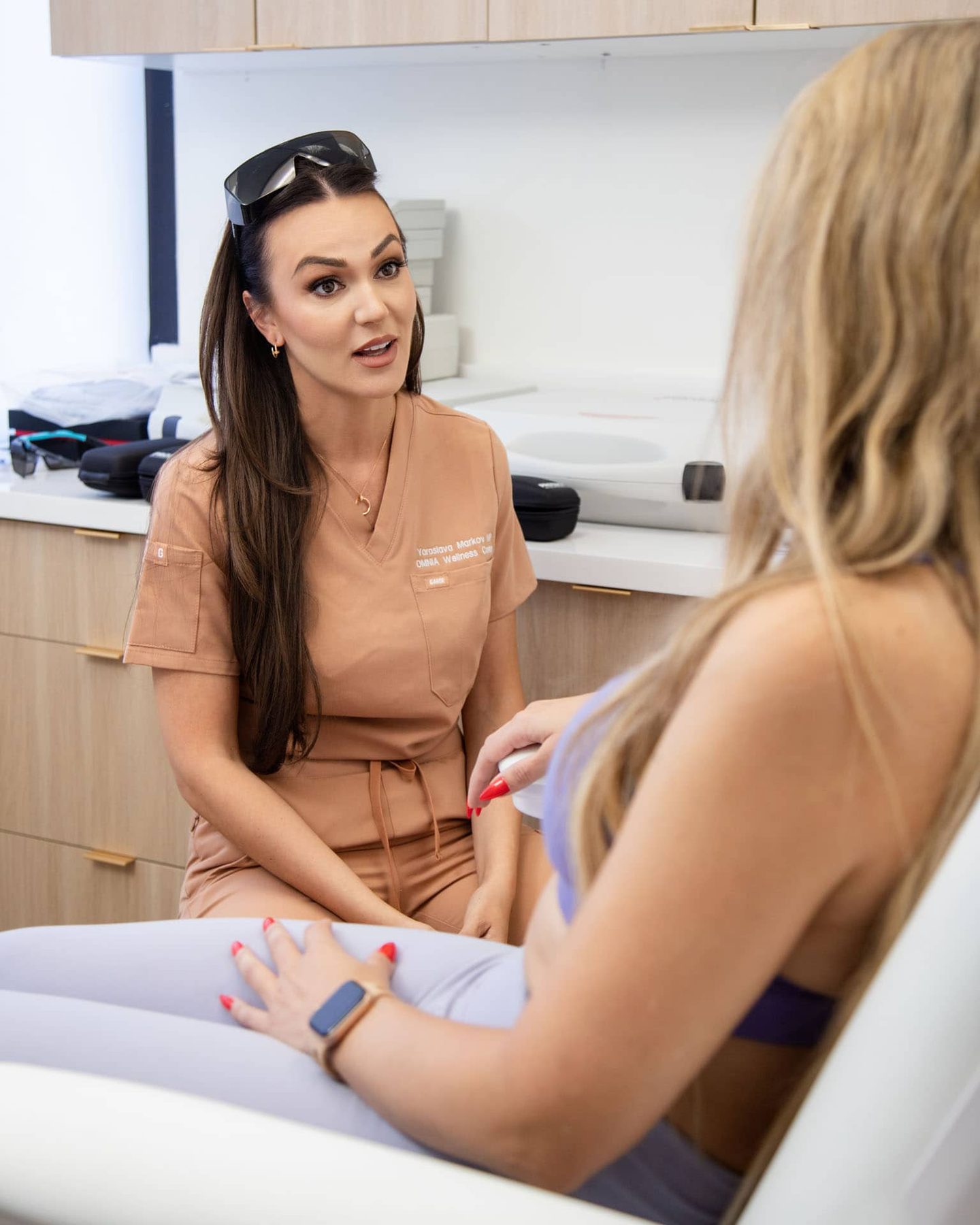
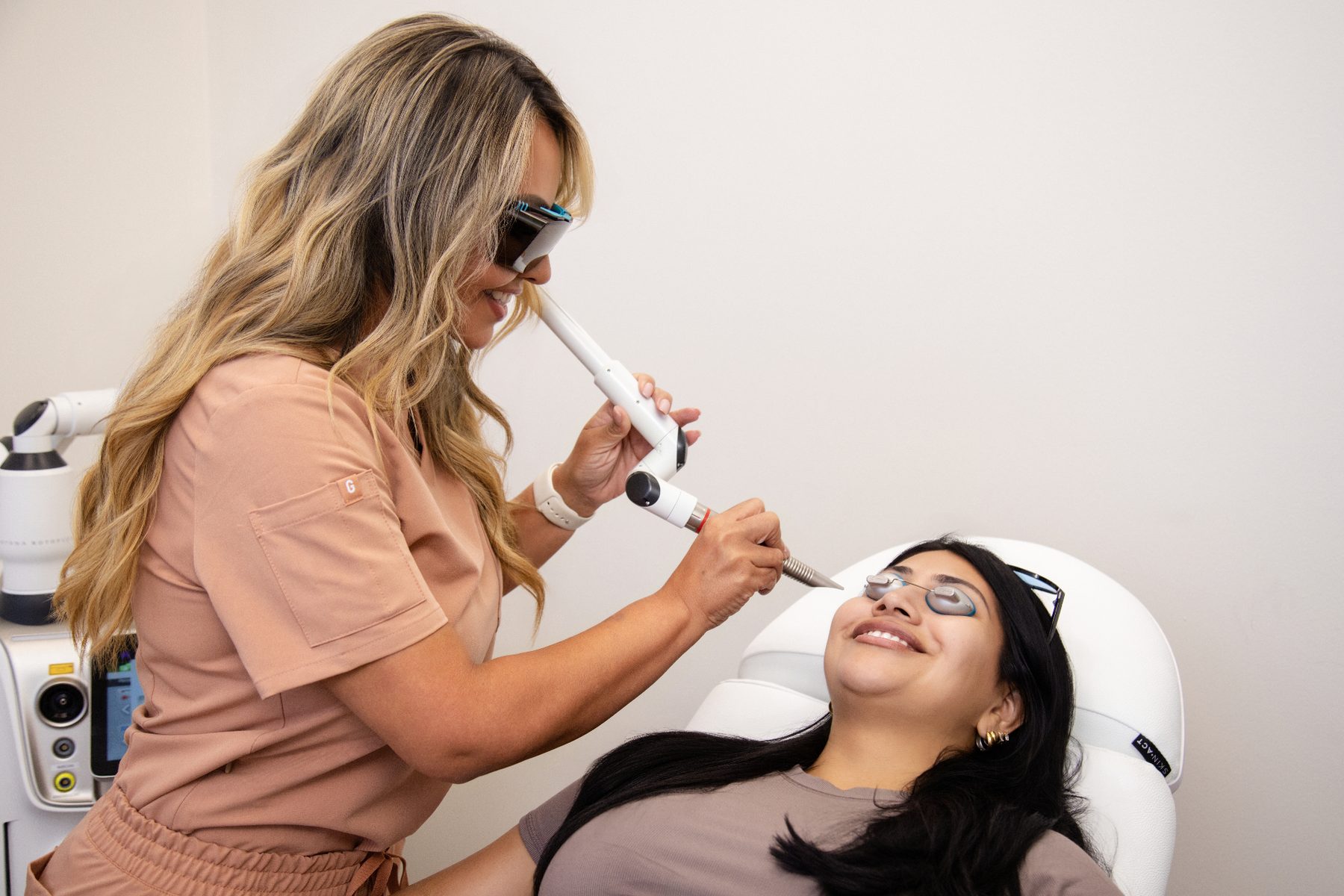
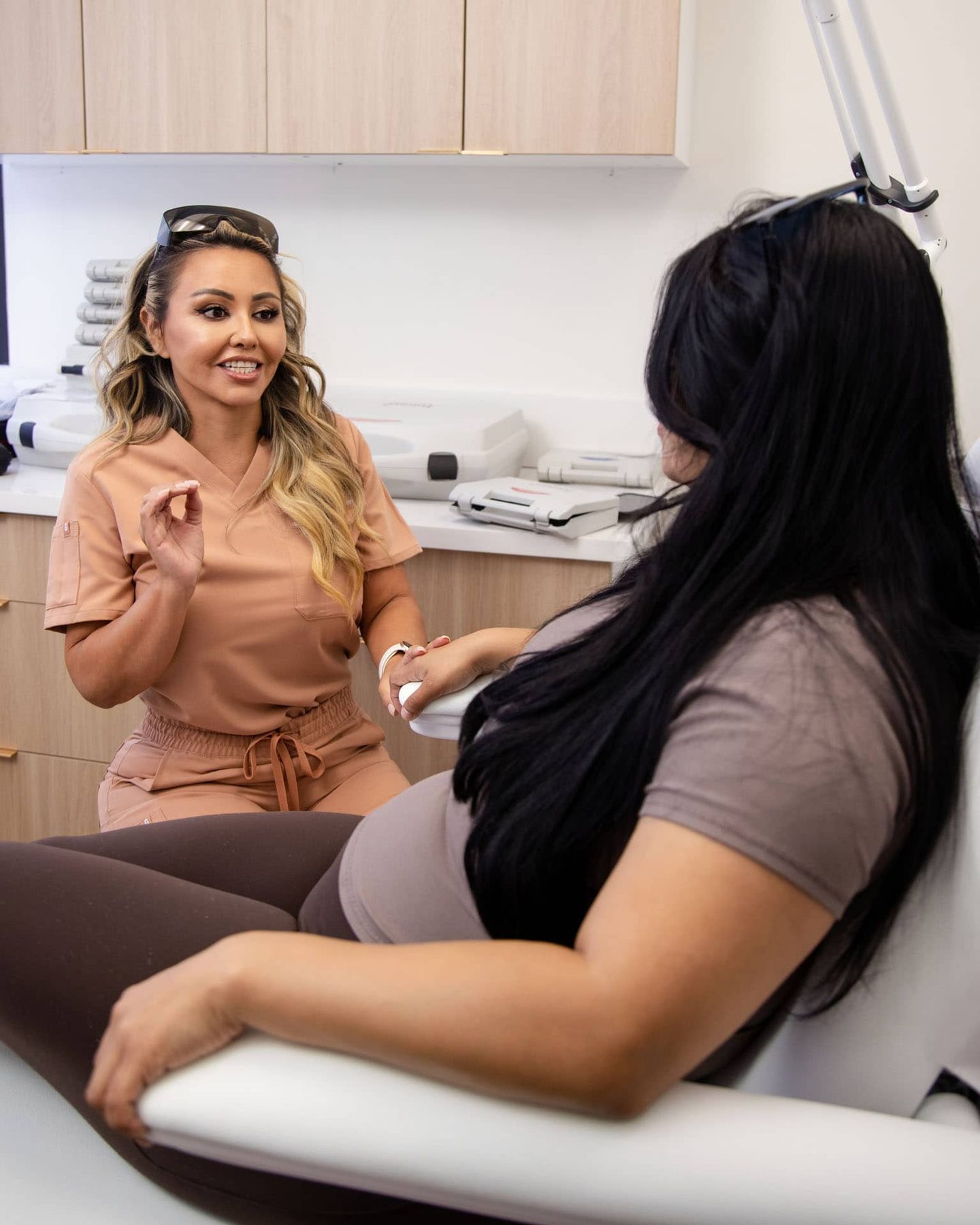
If you spend any time looking into non-surgical skin rejuvenation in Los Angeles, you quickly notice a pattern. Patients want visible improvement, but they do not want to look overdone, swollen for weeks, or locked into an aggressive recovery they cannot hide from work, school pickup, or social plans. That tension is exactly why interest in Fotona 4D Laser Facial (TimeWalker) Encino, CA treatments has grown. It sits in a category many people find appealing: meaningful collagen-focused rejuvenation without surgery, with a treatment design that can be adjusted to different concerns and different tolerance levels.
The reason this technology gets attention is not just branding. Fotona 4D refers to a multi-step laser approach that addresses the skin from more than one angle, including the inside of the mouth and the external facial surface. TimeWalker is a platform name associated with modern Fotona systems and protocols, often discussed in the context of facial rejuvenation, texture refinement, and support for collagen remodeling. In practical terms, patients usually care less about the engineering and more about this question: will it help me look fresher without making me disappear for ten days?
That is the real conversation worth having, especially in a market like Encino where patients are often informed, selective, and balancing aesthetics with a busy schedule.
Why patients in Encino ask for Fotona 4D
Encino has no shortage of aesthetic options. Injectable treatments are common, microneedling is widely available, radiofrequency procedures have their following, and deeper resurfacing still has a place for the right candidate. Fotona 4D tends to draw attention from patients who are in the middle ground. They may not be ready for surgery. They may not need surgery. They may also feel that a simple hydrafacial or light peel no longer moves the needle.
A common patient profile is someone in their late 30s to early 60s who notices the early combination of skin laxity, crepey texture, fine lines around the mouth, and a general loss of brightness. Makeup starts sitting differently. Photos look flatter. The lower face may seem less defined, even if weight has not changed much. Another frequent group includes younger patients who are trying to stay ahead of visible aging and want collagen support before laxity becomes more established.
One of the stronger selling points is versatility. A skilled provider can dial treatment intensity up or down, combine sub-protocols thoughtfully, and decide whether someone needs a lighter refresh or a more assertive rejuvenation series. That flexibility matters in real life. The 42-year-old with event photos next week is not in the same category as the 58-year-old willing to trade more downtime for more correction.
What Fotona 4D actually involves
The name “4D” can sound more dramatic than the experience itself. The treatment is generally built around four complementary steps, each targeting a different layer or concern. Some practices may customize the sequence or terminology slightly, but the underlying idea is consistent: stimulate tissue from the inside and outside, improve tone and texture, and support collagen remodeling over time.
One of the signature components is the intraoral step, often the part patients find most unusual. A laser handpiece is used inside the mouth to heat tissue along the cheeks and around the perioral area. This approach aims to stimulate collagen in a region that contributes to nasolabial Fotona 4D Laser Facial (TimeWalker) Encino, CA folds, marionette lines, and soft tissue support. It sounds intimidating at first, but many patients tolerate it better than expected because it avoids surface injury in that stage.
The external portions of the treatment may address superficial texture, pigment irregularity, larger pores, and general skin quality, while also delivering deeper thermal stimulation for tightening. Depending on settings and technique, some stages are associated with more immediate redness and others with a subtler post-treatment effect.
This matters because when patients hear “laser facial,” they often assume a single-pass resurfacing treatment. Fotona 4D is usually more layered than that. It is closer to a strategic protocol than a one-note facial.
What results tend to look like in real life
The best candidates understand the difference between “noticeably better” and “surgically transformed.” Fotona 4D does not replace a facelift, and any provider who implies otherwise is overselling it. What it can do, when performed well on an appropriate patient, is create a fresher, firmer, smoother look that reads as rested rather than altered.
Most of the meaningful change comes from incremental improvement. Skin can look tighter around the jawline and cheeks. Fine wrinkling around the mouth may soften. Texture often becomes more refined. Some patients report that their face seems to reflect light better a few weeks after treatment, which is not marketing language so much as a practical way people describe improved surface quality.
The timeline is important. A small portion of the effect can appear relatively soon because of mild tissue contraction and post-treatment plumping. The more valuable change develops gradually as collagen remodeling progresses. Patients who expect overnight transformation are usually disappointed. Patients who accept a slower build often feel happier because the outcome tends to look natural and socially believable.
In my experience, satisfaction is highest when treatment is framed as part of a plan rather than a miracle in one session. A series is often recommended, especially for texture, fine lines, or early laxity. Maintenance then becomes the next conversation, because collagen stimulation is not permanent in the face of age, sun exposure, stress, and lifestyle.
How it compares with other popular options
Encino patients rarely evaluate one treatment in isolation. They compare, and they should. Fotona 4D sits in an interesting position because it overlaps with several other categories without being identical to any of them.
Compared with injectables, Fotona 4D addresses skin quality and tissue stimulation rather than simply adding volume or relaxing muscles. A patient with dynamic forehead lines may still benefit more from neuromodulator treatment in that area. A patient with significant midface volume loss may still need filler, biostimulatory injectables, or both. But for someone whose main concern is crepey texture or early laxity, injectables alone can leave the skin itself unaddressed.
Compared with microneedling, especially standard microneedling without radiofrequency, Fotona 4D often offers a broader approach to tightening and rejuvenation. Microneedling is still useful, especially for acne scars and general collagen support, but the treatment feel and tissue targets differ. Some patients also prefer the idea of a laser-based protocol because it can be more customizable across multiple depths.
Compared with more aggressive ablative resurfacing, Fotona 4D is usually more manageable from a downtime standpoint. That trade-off comes with a predictable reality: lighter to moderate treatments generally ask for patience and repeated sessions, while deeper ablative procedures can produce larger single-treatment changes but with more recovery and more risk of pigment issues, prolonged redness, or strict aftercare demands.
Who tends to be a strong candidate
A good consultation matters more than the menu name. Not every patient who wants “tightening” is actually seeking the same thing, and not every face will respond equally well.
Patients who often do well include those with mild to moderate laxity, early jowling, textural dullness, smoker’s lines, enlarged pores, and a general sense that the face is aging softly rather than collapsing structurally. It is also useful for people who want to improve skin quality without committing to injections as their primary strategy.
Those with severe skin laxity, heavy lower-face descent, or significant excess skin may find the improvement too modest if they are secretly hoping for a surgical-level lift. That does not mean the treatment has no value, only that expectations need discipline. A thoughtful provider should be willing to say, “This can help, but it will not do what surgery does.”
Skin tone and pigment history also deserve attention. Laser selection, settings, and pre-treatment planning are particularly important in patients with melasma tendencies or a history of post-inflammatory hyperpigmentation. A cautious, experienced practitioner will factor this in rather than reaching automatically for aggressive settings.
Questions worth asking at a consultation
The consultation often tells you more than the website does. A skilled practice should be able to explain not just what the device does, but why they are recommending a specific version of treatment for your face.
Ask these questions before booking:
- Which parts of the Fotona 4D protocol do you actually use for my concerns?
- How many sessions do patients like me usually need to see worthwhile improvement?
- What should I realistically expect in downtime over the next three to seven days?
- Do you have before-and-after photos of patients with similar skin texture, age, and goals?
- If Fotona 4D is not the best fit, what would you recommend instead?
A strong answer is usually specific. If a provider speaks in broad promises, avoids discussing limitations, or acts as if every patient is a perfect match, that is a warning sign. Good aesthetic medicine relies on selection as much as treatment.
Downtime, discomfort, and the part people underestimate
Many people are drawn to Fotona 4D because it is marketed as minimally invasive, and that is fair. Still, “minimal downtime” can mean different things depending on the settings used, the patient’s skin, and what counts as downtime in that person’s life.
Some patients are red for a day or two. Others experience a rougher texture for several days, especially if a resurfacing component was emphasized. Mild swelling can happen, and the skin may feel warm or dry. If treatment targets the area around the mouth more assertively, that zone can temporarily feel tight or look a little more reactive. Most people can return to normal routines fairly quickly, but there is a difference between being technically able to go to dinner and actually wanting to be seen under bright restaurant lighting the next night.
Discomfort is also variable. The intraoral component sounds strange, but many patients handle it well. External passes can range from warm and prickly to fairly intense, depending on the protocol. Topical numbing may be used, although practices differ. Anyone considering the treatment should ask how the office manages comfort and what the session usually feels like from minute to minute, not just whether it is “tolerable.”
The part patients underestimate most often is aftercare discipline. Sun protection, gentle skincare, and avoiding over-exfoliation matter. Too many people invest in collagen stimulation and then sabotage their result with casual UV exposure or a too-soon return to strong retinoids and acids.
What treatment planning looks like in a good practice
A well-run practice in Encino should not present Fotona 4D as a one-size-fits-all package. The better approach is usually layered and honest. Sometimes that means recommending a series of sessions spaced weeks apart. Sometimes it means combining Fotona 4D with injectables, skin care, pigment management, or a different laser at another point in the year.
That combination mindset is where experience shows. For example, a patient with etched upper lip lines, mild cheek laxity, and sun damage may need more than one modality over time. Fotona 4D can support tissue quality and tightening, but if pigment is a major issue, that may require separate attention. If volume loss is driving shadowing and hollowness, a laser cannot replace volume where volume is gone. When a provider explains those distinctions clearly, patients generally make better decisions and feel less let down later.
It is also wise to think seasonally. In Southern California, intense sun exposure is a year-round concern. Some patients prefer scheduling laser work around quieter social periods or months when they can be more careful with direct sun. Encino patients who hike, play tennis, drive frequently, or spend weekends outdoors should factor that into the plan. Recovery is easier when aftercare fits your real routine.
Cost in Encino, and why prices vary
Pricing for Fotona 4D Laser Facial (TimeWalker) Encino, CA services can vary for legitimate reasons. Device quality, provider expertise, treatment depth, session length, and whether the protocol includes all four components all affect cost. Geographic market also matters, and Encino sits in a competitive, aesthetically literate area where pricing often reflects both demand and practitioner reputation.
Patients should be wary of comparing only by headline number. A lower price may reflect a lighter treatment, fewer components, or less experienced hands. A higher fee does not automatically mean better care either. The more useful question is what is actually being delivered. Is it a true customized 4D protocol? Is the provider experienced in laser settings across different skin types? Is aftercare support included? Are they evaluating whether you need one session or a series?
As a practical matter, many patients do best when they budget for the full course being recommended instead of mentally committing to a single treatment and hoping that will be enough. In aesthetics, disappointment often starts with mismatched planning, not bad technology.
Signs the treatment may not be the right choice right now
Not every “no” is permanent. Sometimes the timing is off, or another issue should be addressed first. Active irritation, Fotona 4D Laser Facial (TimeWalker) Encino, CA poor barrier function, recent sunburn, certain infections, and uncontrolled pigment instability can all make it wiser to pause.
There are also aesthetic reasons to postpone. A patient preparing for a major event in a week may be better served by something less likely to produce visible redness or texture changes. Someone with severe laxity and a very high expectation for lift may need a different conversation entirely. Another patient may be a better candidate for a targeted pigment or vascular treatment first, then Fotona 4D later.
One of the clearest markers of a trustworthy practice is the willingness to defer revenue and say, “Not yet,” or, “Not this.” Patients remember that kind of judgment.
How to evaluate before-and-after photos intelligently
Before-and-after galleries can be useful, but only if you read them critically. Lighting changes, makeup, facial expression, and camera angle can exaggerate or flatten outcomes. Look for consistency. The most helpful photos are taken with similar lighting, neutral expression, and comparable positioning.
Pay close attention to the concerns that matter to you. If your issue is perioral lines, do not get distracted by a glowing cheekbone. If your concern is mild laxity at the jawline, look for examples where that area is shown clearly. Also pay attention to the quality of improvement. Natural enhancement is often more impressive than a dramatic image that looks too good to trust.
Anecdotally, some of the happiest patients are not those who chase the biggest “wow” photo, but those who choose a treatment that lets friends say, “You look really rested,” without being able to pinpoint why.
Pairing Fotona 4D with skin care and other treatments
The treatment itself is only part of the outcome. Home care and complementary procedures often determine whether results plateau quickly or continue to build.
The combinations that tend to make sense most often include:
- Broad-spectrum sunscreen used consistently, because UV exposure undermines collagen and can trigger pigment issues.
- Medical-grade topicals chosen carefully, often including antioxidants, hydrators, and retinoids once the skin has recovered.
- Neuromodulators when dynamic lines are a separate issue not solved by collagen stimulation alone.
- Strategic filler or biostimulatory injectables for true volume loss, especially when structural support is part of the aging pattern.
- Maintenance sessions spaced according to response, age, and lifestyle rather than a rigid formula.
The important point is that combination treatment should be intentional. Throwing everything at the face at once rarely reflects good judgment. The best plans are sequenced, with each step solving a specific problem.
What to look for in an Encino provider
Skill with lasers is not interchangeable. It is one thing to own a respected device. It is another to understand settings, skin behavior, treatment endpoints, risk management, and how to adapt protocols for different faces.
Look for a provider who can explain tissue goals in plain English. They should discuss your medical history, current skincare, history of cold sores if relevant, tendency toward pigmentation, recent tanning, and any previous procedures. They should also be willing to tell you what the treatment will not do.
A polished website is not enough. Clinical judgment shows up in smaller details: conservative planning when needed, thorough pre-care instructions, honest recovery guidance, and a readiness to adjust based on your response. In a market like Encino, where many patients have tried several aesthetic treatments already, that level of nuance matters.
The bottom line for someone considering it
Fotona 4D has earned its place because it addresses a problem many patients have: they want more than a superficial facial, but less disruption than surgery or aggressive resurfacing. For the right person, it can improve texture, support collagen, soften early laxity, and create a refreshed look that reads as believable. That is its lane, and it is a useful one.
The smartest way to approach Fotona 4D Laser Facial (TimeWalker) Encino, CA options is not to chase hype or search for the cheapest session. It is to match the treatment to your actual anatomy, goals, schedule, skin behavior, and tolerance for gradual improvement. When that match is good, the treatment can be genuinely rewarding. When the match is forced, even a well-performed session can feel underwhelming.
Patients usually do best when they walk into the consultation with clear priorities. Do you want smoother texture, softer mouth lines, better skin quality, mild tightening, or some combination of those? Do you want one refresh before an event, or are you ready for a longer collagen-building plan? Those answers shape everything that follows.
For many people in Encino, that measured, customized approach is exactly the appeal. It is not about looking different. It is about looking more like yourself on a well-rested month, with better skin doing more of the work.
OMNIA Wellness Center
16430 Ventura Blvd Ste 207, Encino, CA 91436
Phone: +1 818-386-8511
FAQ About Fotona 4D Laser Facial (TimeWalker) Encino, CA
What is a Fotona laser good for?
Fotona lasers support several different aesthetic protocols. The Fotona 4D facial uses two wavelengths and four treatment modes to address concerns such as fine lines, skin texture, and mild laxity. OMNIA Wellness Center offers the TimeWalker facial with an individual consultation. Suitability and likely improvement depend on the person's skin and goals; results are not guaranteed, and this treatment does not reproduce a surgical facelift.
How much does a Fotona laser treatment cost?
The cost depends on the treatment protocol, areas treated, number of sessions, and provider's assessment. Ask OMNIA Wellness Center for a current written quote that explains what is included, whether follow-up is included, and any proposed package terms. An individualized estimate is more useful than assuming that one advertised price applies to every facial treatment.
How much downtime is there after a Fotona laser procedure?
Recovery varies with the specific protocol and intensity. Fotona describes its 4D facial as having little to no downtime, but temporary redness or sensitivity can occur, and a stronger surface treatment can require more recovery. Ask the treating clinician what to expect from the planned settings, how to care for the skin afterward, and when to contact the clinic with concerns.